



What's Happening?
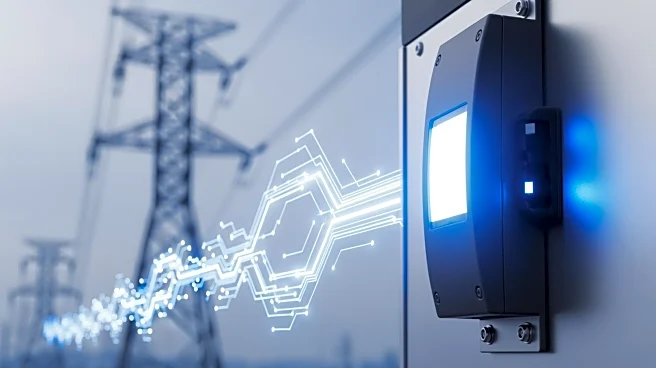
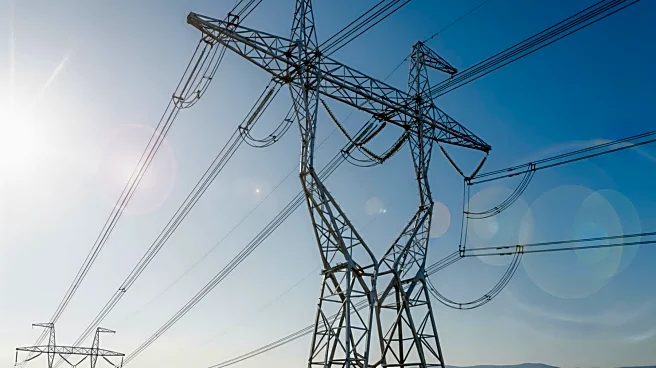
The U.S. electricity grid is undergoing significant upgrades through the use of advanced conductors, which allow existing transmission towers to carry more electricity without the need for new infrastructure. This process, known as reconductoring, involves
replacing traditional aluminum conductor steel reinforced (ACSR) wires with high temperature low sag (HTLS) conductors. These advanced materials, such as composite core conductors, enable higher current capacity by reducing thermal expansion and sagging. Real-world projects in Nevada and other regions have demonstrated capacity increases of up to 70% or more. This approach is gaining traction as it avoids the lengthy permitting processes associated with building new transmission lines, thus accelerating deployment and reducing project risks.
Why It's Important?
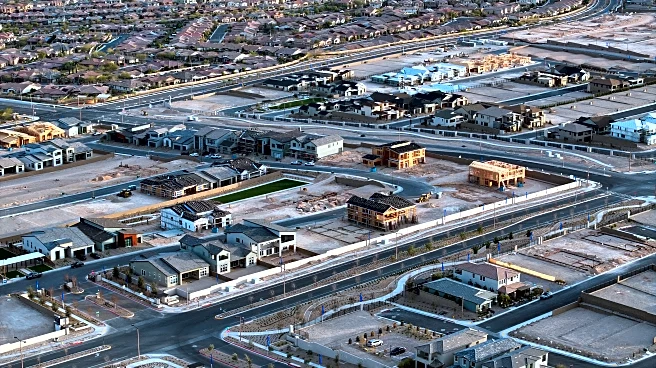
The adoption of advanced conductors is crucial for meeting the rising electricity demand driven by the electrification of transport, heating, and industry. By enhancing the capacity of existing transmission lines, utilities can accommodate increased loads without the environmental and social challenges of constructing new corridors. This method not only supports the transition to renewable energy sources but also aligns with public acceptance, as it minimizes visual and land use impacts. The ability to upgrade existing infrastructure efficiently is vital for maintaining grid reliability and supporting economic growth, particularly in regions where electricity demand is rapidly increasing.
What's Next?
As the U.S. continues to modernize its grid, the use of advanced conductors is expected to expand. Utilities may increasingly adopt these technologies during routine maintenance cycles or when existing lines require upgrades. The focus will likely remain on balancing cost, installation complexity, and performance to optimize grid capacity. Additionally, the integration of other grid-enhancing technologies, such as FACTS devices and power flow controllers, will complement these efforts by addressing voltage stability and flow distribution challenges. The ongoing collaboration between engineers, utilities, and regulatory bodies will be essential to ensure the successful implementation of these upgrades.