






What's Happening?
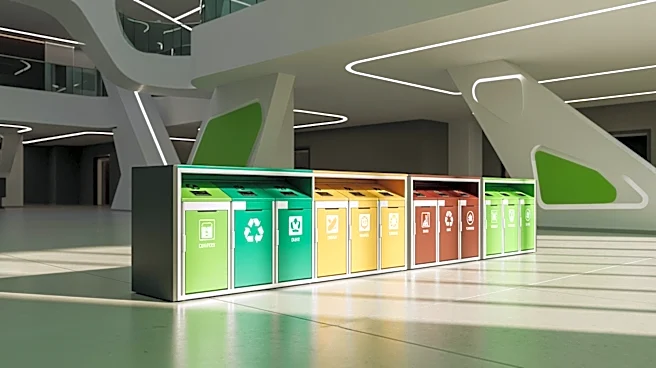
NBA arenas across the United States are adopting innovative waste management strategies to minimize landfill contributions and enhance sustainability. Venues like the Intuit Dome, Crypto.com Arena, and State Farm Arena are leading efforts to achieve Zero
Waste status by diverting at least 90% of waste from landfills and incinerators. These initiatives include comprehensive recycling, composting, and material recovery programs. For instance, the Intuit Dome has implemented a Zero Waste Room to sort and process discarded materials, while Crypto.com Arena has transitioned to reusable drinkware to reduce single-use plastic waste. These efforts are part of a broader league-wide commitment to environmental sustainability, with venues like the State Farm Arena achieving TRUE Platinum Zero-Waste certification.
Why It's Important?
The NBA's commitment to sustainability through waste management has significant environmental and social implications. By reducing waste sent to landfills, these arenas are decreasing their carbon footprint and promoting a circular economy. This not only benefits the environment by reducing greenhouse gas emissions but also supports local communities through food donations and material reuse. The initiatives set a precedent for other sports and entertainment venues, showcasing the feasibility and benefits of sustainable practices. Additionally, these efforts align with growing consumer expectations for environmentally responsible operations, potentially enhancing the league's reputation and fan engagement.
What's Next?
As NBA arenas continue to refine their waste management practices, they may explore further innovations in sustainability. This could include expanding partnerships with local waste management services, increasing the use of renewable energy sources, and enhancing fan engagement through educational programs on sustainability. The success of these initiatives may encourage other sports leagues and venues to adopt similar practices, potentially leading to industry-wide changes in waste management and sustainability standards. Ongoing monitoring and reporting of waste diversion rates will be crucial in maintaining transparency and accountability.