






What's Happening?
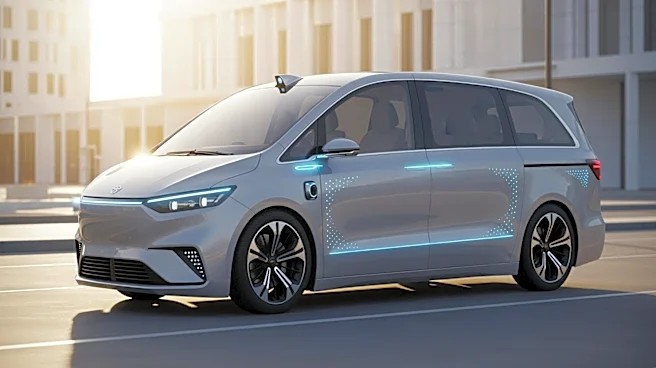
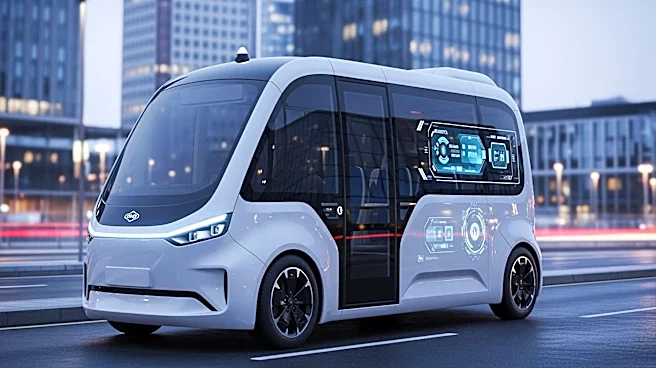
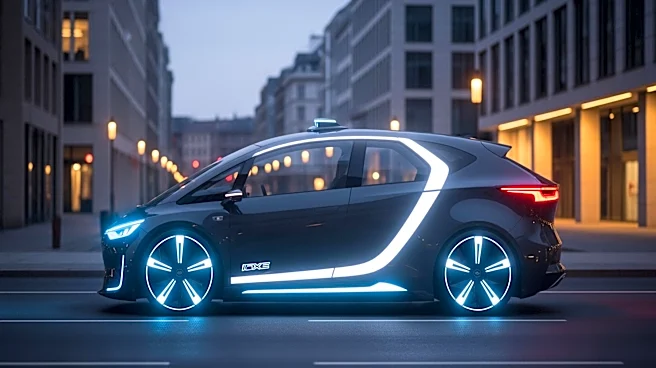
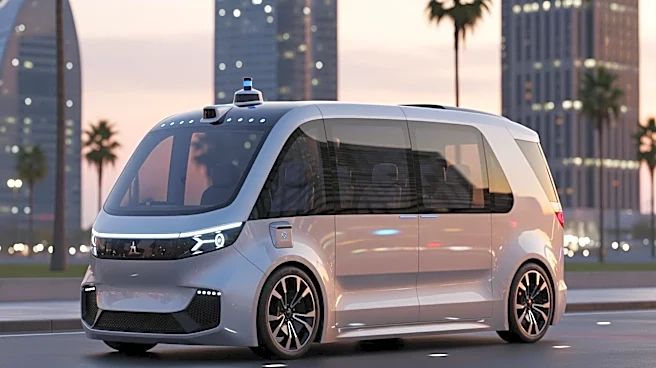
Volkswagen subsidiary MOIA America and Uber have initiated testing of autonomous microbuses in Los Angeles, marking a significant step towards launching a robotaxi service by late 2026. The collaboration involves autonomous versions of Volkswagen's electric
ID. Buzz minivan, with Los Angeles being the first city to host these tests. The initial fleet consists of about 10 autonomous vehicles, which will eventually expand to over 100. These vehicles will initially operate with a human safety operator onboard, with fully driverless operations expected to commence in 2027. The initiative reflects Volkswagen's strategy to integrate autonomous mobility into real-world operations, leveraging Los Angeles' history of embracing new mobility technologies.
Why It's Important?
The testing of autonomous microbuses in Los Angeles represents a pivotal advancement in the autonomous vehicle industry, potentially transforming urban transportation. This initiative could lead to reduced traffic congestion and lower emissions, aligning with broader environmental goals. For Uber, expanding into autonomous vehicles diversifies its service offerings and strengthens its position in the competitive ride-hailing market. The collaboration with Volkswagen also highlights the growing trend of partnerships between tech companies and traditional automakers, aiming to accelerate the deployment of autonomous technologies. Successful implementation could set a precedent for similar projects in other major cities, influencing public policy and regulatory frameworks surrounding autonomous vehicles.
What's Next?
MOIA America and Uber must navigate a complex regulatory landscape before deploying a commercial robotaxi service in California. This includes obtaining permits from the California Department of Motor Vehicles and the California Public Utilities Commission. As testing progresses, stakeholders will closely monitor the safety and efficiency of these autonomous vehicles. The outcome could influence future regulatory decisions and public acceptance of autonomous transportation. Additionally, Uber's recent investment in Rivian for autonomous robotaxis in San Francisco and Miami by 2028 indicates a broader strategy to expand its autonomous fleet across multiple U.S. cities.