
What's Happening?
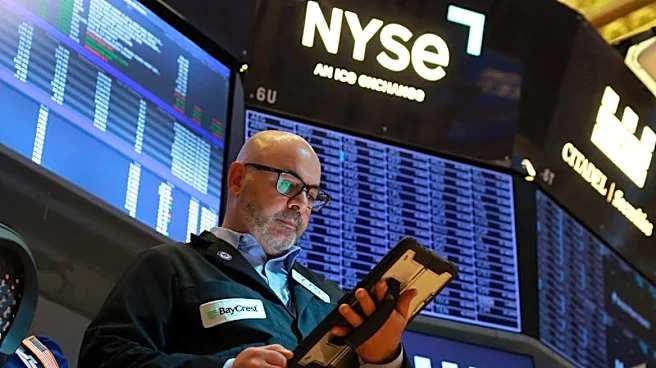
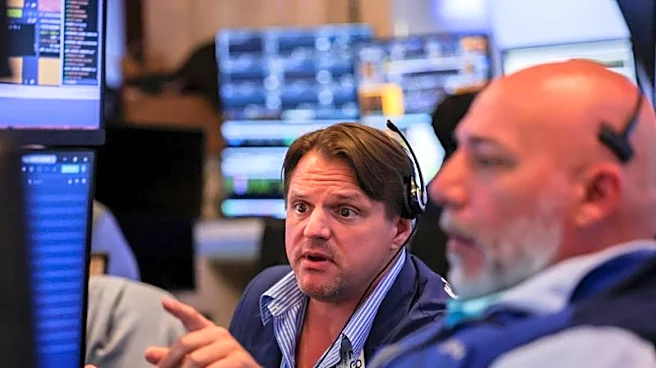
This summer, Wall Street interns are entering a transformed work environment as financial firms increasingly integrate artificial intelligence (AI) into their operations. Interns are now expected to be
proficient in using generative AI tools for tasks traditionally performed manually, such as market analysis and coding. This shift is part of a broader trend where firms like JPMorgan and Citadel are assessing applicants based on their AI fluency. The integration of AI is expected to change the nature of Wall Street jobs, with some firms predicting a reduction in hiring due to increased efficiency. However, the demand for AI skills is creating new opportunities for interns to take on significant responsibilities early in their careers.
Why It's Important?
The integration of AI into Wall Street operations represents a significant shift in the financial industry, impacting job roles and career paths. As AI tools become essential for performing routine tasks, the skills required for financial roles are evolving. This change could lead to a more competitive job market, with fewer positions available but requiring higher technical proficiency. For interns and new entrants, mastering AI tools could be crucial for career advancement. The shift also highlights the growing importance of technology in finance, potentially influencing educational programs and training to focus more on AI and data analytics.
What's Next?
As AI continues to reshape the financial industry, firms are likely to further integrate these technologies into their operations, potentially leading to more streamlined processes and reduced costs. Interns and new employees will need to adapt quickly to these changes, acquiring new skills to remain competitive. Financial institutions may also need to invest in training programs to ensure their workforce is equipped to handle AI-driven tasks. The long-term impact of AI on employment in the financial sector remains uncertain, but it is clear that the industry is moving towards a more technology-driven future.