








What's Happening?
A recent study challenges the long-standing dietary guideline of consuming five servings of fruits and vegetables daily for heart health. Researchers argue that this guideline may not provide sufficient flavanols, plant compounds linked to cardiovascular
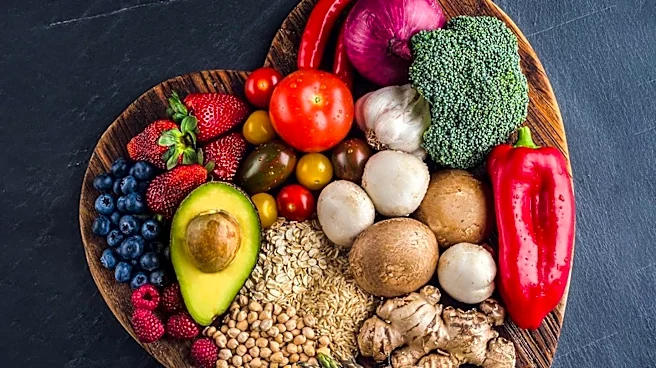
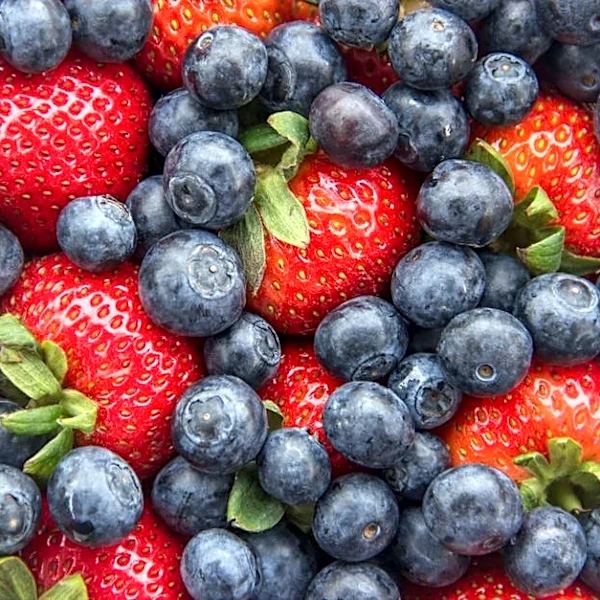
benefits. Flavanols, found in various fruits and vegetables, are known to improve blood flow and reduce inflammation, potentially lowering the risk of heart disease. The study, published in the journal Food & Function, analyzed the diets of over 30,000 adults in the US and UK. It found that even those adhering to the five-a-day guideline often did not meet the 500 milligrams of flavanols per day associated with cardiovascular benefits. The researchers suggest that specific dietary choices, such as including flavanol-rich foods like blueberries, plums, and green tea, may be necessary to achieve these health benefits.
Why It's Important?
This study highlights a potential gap in current dietary guidelines, suggesting that simply following the five-a-day rule may not be enough for optimal heart health. The findings could influence public health recommendations and dietary guidelines, emphasizing the importance of not just the quantity but the quality of fruits and vegetables consumed. This could lead to more specific dietary advice, encouraging the consumption of flavanol-rich foods to maximize cardiovascular benefits. The study's implications are significant for individuals aiming to reduce their risk of heart disease, as it underscores the need for a more nuanced approach to diet and nutrition.
What's Next?
The study suggests that further research is needed to establish specific dietary reference values for flavanols. This could lead to updated dietary guidelines that emphasize the consumption of specific fruits and vegetables known for their high flavanol content. Public health campaigns may also evolve to educate consumers on the importance of flavanol intake and how to incorporate these foods into their diets. Additionally, food manufacturers might respond by highlighting flavanol content in their products, potentially influencing consumer choices and market trends.