


What's Happening?
Deb Olin Unferth, an acclaimed author known for her innovative storytelling, is set to release her new science fiction novel, 'Earth 7', in June. The novel draws inspiration from Unferth's personal experiences, including a transformative trip to the Sahara
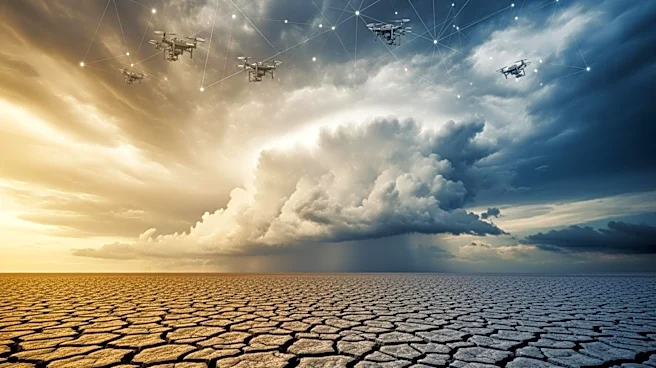
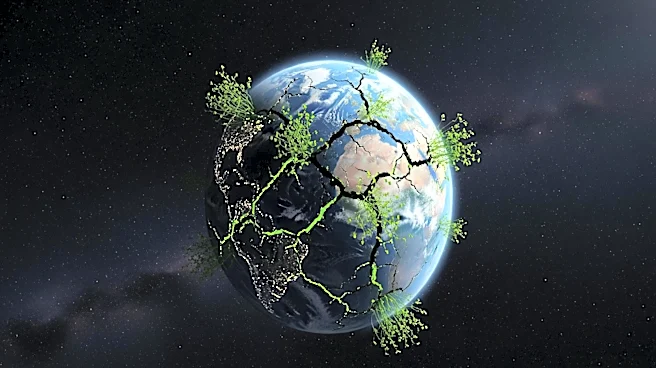
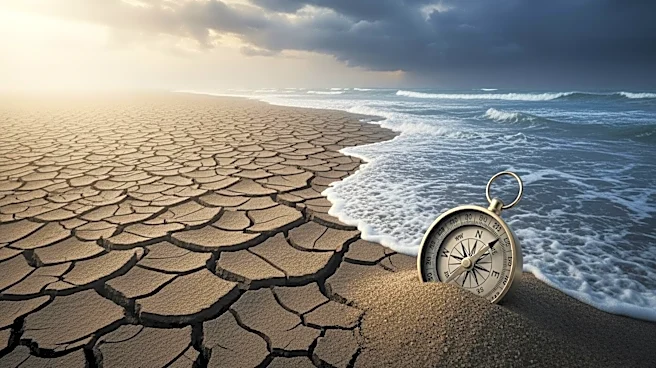
Desert. 'Earth 7' follows the story of Dylan Stein, a young scientist in a dystopian future where Earth has become a desert wasteland due to human activity. The narrative explores themes of environmental degradation and human survival, as Dylan embarks on a mission to regenerate life on Earth. Unferth's work is characterized by its unique blend of humor, political undertones, and a deep reverence for the natural world.
Why It's Important?
Unferth's 'Earth 7' is significant as it addresses pressing environmental issues through the lens of science fiction, a genre that allows for creative exploration of future possibilities. The novel's focus on environmental degradation and human impact on the planet resonates with current global concerns about climate change and sustainability. By weaving these themes into a compelling narrative, Unferth not only entertains but also prompts readers to reflect on their relationship with the environment. Her work contributes to the broader discourse on ecological responsibility and the urgent need for innovative solutions to environmental challenges.
What's Next?
As 'Earth 7' approaches its release, it is likely to attract attention from both literary circles and environmental advocates. The novel's themes may spark discussions on the role of fiction in raising awareness about environmental issues. Additionally, Unferth's previous works, such as 'Barn 8', which is being adapted into a film, suggest potential for 'Earth 7' to be explored in other media formats. The book's release may also influence Unferth's future projects, as she continues to explore the intersection of storytelling and environmental advocacy.
Beyond the Headlines
Unferth's novel not only addresses environmental themes but also delves into the ethical and moral implications of human actions on the planet. Her portrayal of a future where humans must adapt to survive in a harsh environment serves as a cautionary tale about the consequences of neglecting ecological stewardship. The novel's exploration of advanced technologies, such as consciousness uploading and Martian colonization, raises questions about the ethical boundaries of scientific advancement. Unferth's work challenges readers to consider the long-term impacts of their choices on the planet and future generations.