


What's Happening?
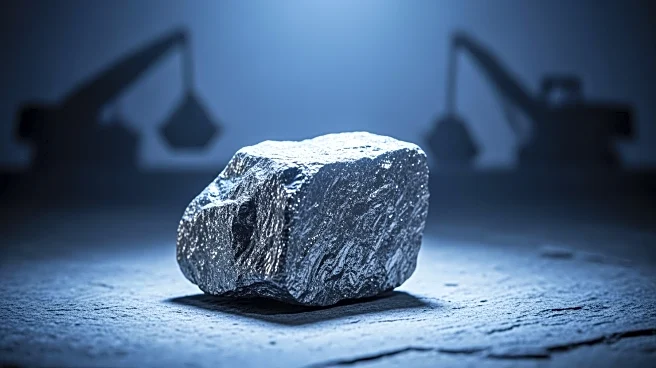
The global tin market is experiencing a surge in demand driven by the increased use of electronics, the rise of the Internet of Things, and the renewable technology revolution. Tin, a critical component in the electronics industry, particularly in soldering,
is seeing a significant rise in demand. However, supply growth is limited, especially in key producing regions like the Democratic Republic of Congo and Myanmar. This limitation is expected to lead to a supply deficit as early as 2026, marking the first such deficit in five years. The Indonesian government has also shut down numerous illegal tin mining operations, further tightening supply. Tin prices have surged, with a 40% increase in January alone, reaching a record high of $56,800 per tonne.
Why It's Important?
The anticipated supply deficit in the tin market could have significant implications for industries reliant on this metal, particularly electronics and renewable technologies. As tin is essential for soldering in electronic devices, any supply constraints could lead to increased production costs and potential disruptions in the supply chain. The strategic importance of tin is underscored by its role in data management infrastructure, particularly in China. The market's tightness and price volatility could also impact investment strategies and financial markets, as tin is a relatively small and illiquid market compared to other base metals.
What's Next?
The tin market is expected to remain tight, with supply deficits forecasted to widen through to 2030. This situation may prompt increased exploration and investment in new mining projects to meet the growing demand. Regulatory changes in major producing countries like Indonesia could also influence future supply dynamics. Market participants will likely monitor geopolitical developments and investor activities, particularly in China, which could further impact tin prices.
Beyond the Headlines
The tin market's challenges highlight broader issues in the mining industry, such as the need for sustainable and ethical mining practices. The reliance on artisanal and small-scale mining in developing economies raises concerns about environmental impact and labor conditions. Additionally, the strategic nature of tin in technological advancements underscores the importance of securing stable and ethical supply chains to support global technological growth.