



What's Happening?
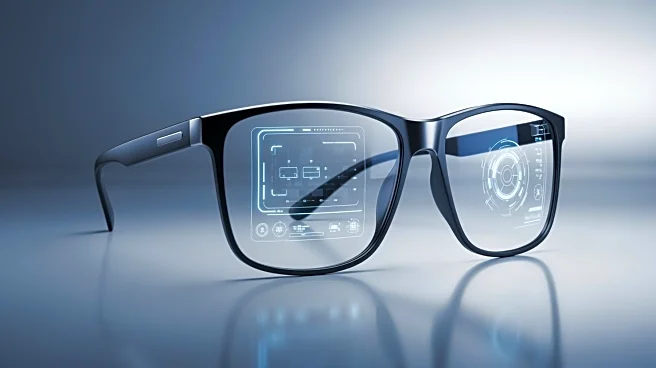
The market for smart glasses in 2026 is seeing significant advancements, with new models offering enhanced features and affordability. Among the top five smart glasses highlighted are the Ray-Ban Meta Gen 2, Viture Luma Pro, Xreal One Pro, Oakley Meta Vanguard, and RayNeo Air 3s. These models cater to various needs, from travel-ready displays to athlete-focused wearables. Notably, some low-cost options now match premium displays in terms of brightness and battery life, making them suitable for everyday use. The Ray-Ban Meta Gen 2, for instance, maintains a classic look while integrating advanced AI features, including a 12-megapixel camera and open-ear speakers. The Viture Luma Pro offers a 152-inch virtual display, ideal for travelers and gamers.
Meanwhile, the RayNeo Air 3s provides a budget-friendly option with a virtual 201-inch 1080p screen, appealing to commuters and casual viewers.
Why It's Important?
The evolution of smart glasses in 2026 reflects a broader trend towards integrating advanced technology into everyday life. These devices are not only enhancing personal entertainment and productivity but also reshaping how users interact with digital content. The availability of affordable models with high-end features democratizes access to augmented reality technology, potentially increasing adoption rates. This shift could impact various sectors, including travel, fitness, and professional work environments, by offering new ways to consume media, navigate, and perform tasks hands-free. Companies producing these devices stand to gain from increased market demand, while consumers benefit from more choices and improved technology.
What's Next?
As smart glasses continue to evolve, further innovations are expected in terms of design, functionality, and integration with other smart devices. Manufacturers may focus on enhancing battery life, display quality, and user comfort to attract a broader audience. Additionally, as more consumers adopt these devices, there could be increased development of applications and services tailored to smart glasses, further expanding their utility. Stakeholders in the tech industry, including developers and content creators, may explore new opportunities to leverage augmented reality in various fields, from gaming to education.
Beyond the Headlines
The rise of smart glasses also raises questions about privacy and data security, as these devices often include cameras and microphones. Ensuring user data protection will be crucial as these technologies become more widespread. Moreover, the cultural acceptance of wearing such devices in public spaces may evolve, influencing social norms and behaviors. Long-term, the integration of augmented reality into daily life could lead to shifts in how people interact with their environment and each other, potentially transforming social and professional interactions.