


What's Happening?
The ongoing conflict in Iran has led to a significant increase in oil and natural gas prices, which are crucial components in the production of plastics. As a result, consumers are expected to face higher prices for plastic-based products such as disposable
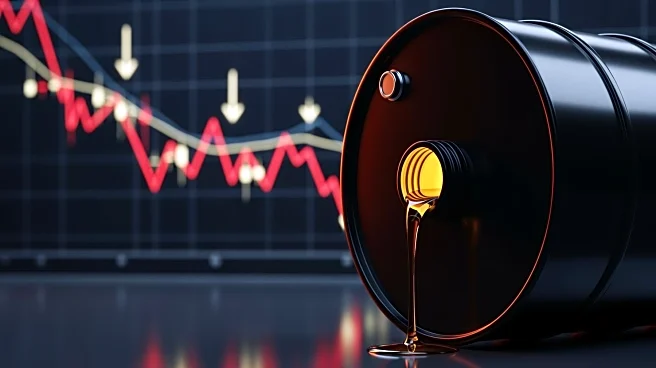
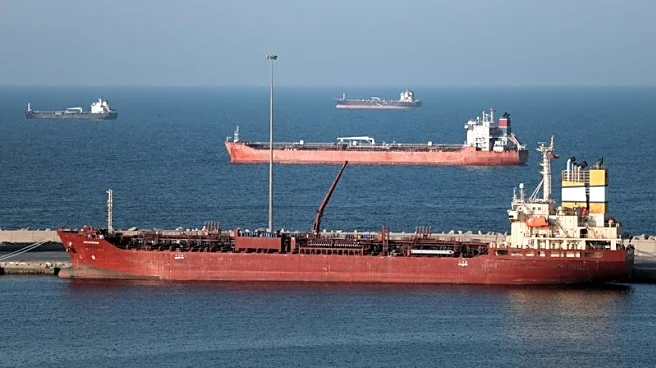
cutlery, bottled drinks, and garbage bags. The Strait of Hormuz, a vital passage for global oil and liquefied natural gas supply, has been threatened by the conflict, causing crude oil prices to rise from $67 to above $98 per barrel. This surge in energy costs directly impacts the cost of plastic materials like polyethylene and polypropylene, which are derived from fossil fuels. Experts warn that the sustained high oil prices could lead to prolonged price increases for plastic goods.
Why It's Important?
The rise in plastic prices due to geopolitical tensions in Iran highlights the vulnerability of global supply chains to regional conflicts. As plastics are integral to various industries, including packaging, automotive, and healthcare, the increased costs could lead to higher consumer prices and affect economic stability. Companies may need to adjust their manufacturing processes or seek alternative materials, which could be costly and time-consuming. The situation underscores the need for diversified energy sources and supply chain resilience to mitigate the impact of geopolitical events on essential commodities.
What's Next?
If the conflict in Iran continues, the high oil prices may persist, leading to further increases in plastic costs. Companies might explore using thinner plastics or alternative materials to manage expenses. However, the transition to substitutes like paper or glass requires significant changes in manufacturing processes. The normalization of the plastic supply chain could take months or years, even if the conflict ends soon. Stakeholders in the plastic industry may advocate for policy changes to support supply chain resilience and explore sustainable alternatives.