






What's Happening?
The Federal Reserve's Beige Book report indicates that the U.S. economy is experiencing rising inflation and consumer strain, with energy costs from Middle East conflicts being a primary driver. Inflation rose to 3.8% in April, and the labor market has
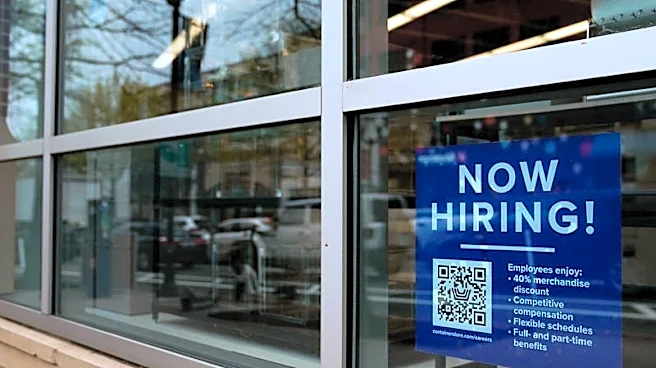
stabilized. The Fed, under Chairman Kevin Warsh, is reconsidering its stance on interest rates, moving away from expected cuts to potentially holding or increasing rates. The report highlights consumer shifts towards hybrid cars and reduced spending due to higher prices, impacting sectors like agriculture and manufacturing.
Why It's Important?
The Fed's response to inflation is critical for economic stability, affecting interest rates, consumer spending, and business investment. Rising prices and energy costs challenge economic recovery, influencing decisions across industries. The Fed's policy will impact borrowing costs, potentially affecting housing markets, corporate investments, and consumer credit. Stakeholders, including businesses and consumers, are closely monitoring these developments to adapt their strategies in response to economic conditions.
What's Next?
The Federal Reserve's upcoming policy meeting will be crucial in determining the direction of interest rates. The Beige Book's findings will inform discussions on how to address inflation while supporting economic growth. The labor market's performance and consumer spending trends will be key factors in shaping the Fed's approach. The outcome will influence economic forecasts and strategies for businesses and policymakers, with potential implications for financial markets and economic stability.