






What's Happening?
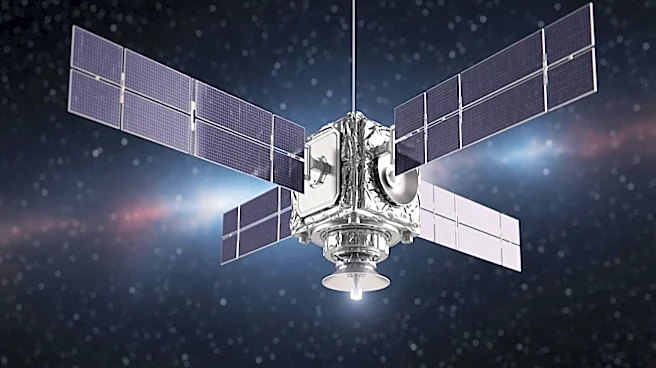
Reflex Aerospace has announced a partnership with Spanish startup Arkadia Space to provide a propulsion system for its upcoming satellite mission, set to launch in 2027. This collaboration marks the first instance of Reflex utilizing a chemical-propulsion
system on its satellites. The decision to partner with Arkadia was influenced by the startup's ability to rapidly build and integrate propulsion systems, as well as its status as a European and ITAR-free supplier. The mission will involve Reflex's 200-kg satellite, which will be launched on SpaceX's Transporter-20 rideshare mission. Arkadia's Triton 5N monopropellant engine will be used for in-space maneuvers and end-of-life deorbiting. Notably, Arkadia's propulsion system uses hydrogen peroxide, a green alternative to the conventional toxic hydrazine, which reduces the cost and complexity of fueling operations on Earth.
Why It's Important?
This partnership is significant as it highlights a shift towards more sustainable and cost-effective propulsion technologies in the satellite industry. By using hydrogen peroxide, Arkadia's system offers a greener alternative that could set a precedent for future satellite missions. The collaboration also underscores the growing trend of international partnerships in the space sector, with European companies like Reflex and Arkadia leading innovative projects. This development could influence other companies to adopt similar green technologies, potentially reducing the environmental impact of space missions. Additionally, the success of this mission could enhance Arkadia's reputation and open up new opportunities for its propulsion systems in the commercial satellite market.
What's Next?
Looking ahead, Arkadia plans to use this mission to demonstrate the viability of its green propulsion system, aiming to attract future customers. The company is also working on developing more powerful bipropellant systems to provide low-cost thrust for larger spacecraft, including potential lunar landers. As the mission progresses, stakeholders in the space industry will likely monitor its outcomes closely, as it could influence future propulsion technology choices. Reflex Aerospace's successful integration of Arkadia's system could lead to further collaborations and advancements in satellite technology.