








What's Happening?
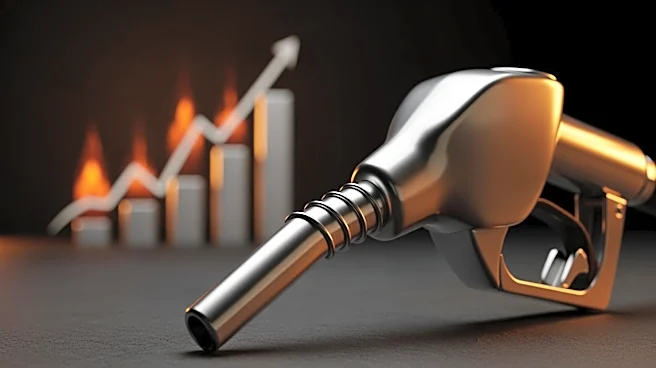
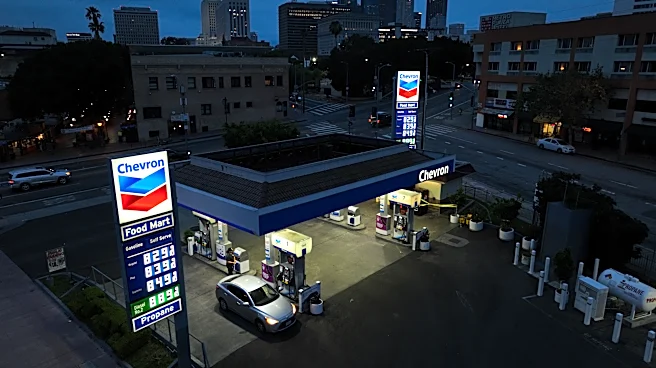
The U.S. is experiencing a significant increase in car prices, coinciding with a surge in gas prices. The average price for a gallon of regular gasoline has reached $4.10, influenced by the ongoing conflict in Iran. This rise in fuel costs is prompting
concerns about the overall expenses associated with vehicle ownership. The New York Auto Show has highlighted these issues, as industry experts and consumers alike grapple with the financial implications of both fuel and vehicle price increases.
Why It's Important?
The rising costs of both gasoline and vehicles have broad implications for the U.S. economy and consumers. Higher car prices can lead to decreased consumer spending in other areas, as individuals allocate more of their budgets to transportation. This trend could also impact the auto industry, potentially slowing sales and affecting manufacturers' profitability. Additionally, the increased cost of ownership may accelerate the shift towards more fuel-efficient or electric vehicles, as consumers seek to mitigate the impact of high fuel prices.
What's Next?
As the situation in Iran continues to unfold, further fluctuations in gas prices are possible, which could exacerbate the current trend of rising vehicle costs. Auto manufacturers may need to adjust their strategies, potentially increasing production of more affordable or fuel-efficient models to meet changing consumer demands. Policymakers might also consider interventions to stabilize fuel prices or provide incentives for alternative energy vehicles to alleviate the financial burden on consumers.