





What's Happening?
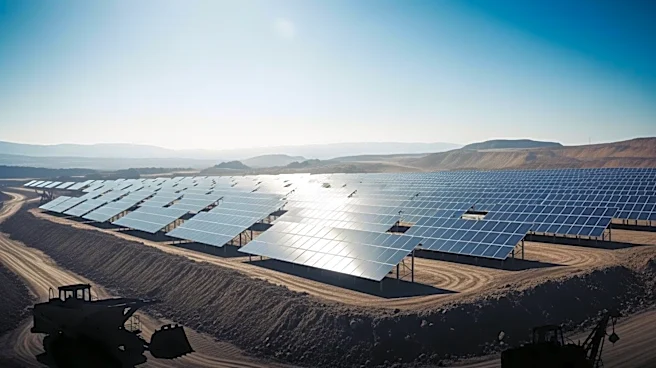
BHP, a major mining company, is under scrutiny after internal documents revealed concerns about emission reduction delays in Western Australia. The company paused significant decarbonization projects, including a $400 million solar-and-battery initiative,
citing cash prioritization. At the same time, BHP purchased 62 new diesel trucks, potentially extending fossil fuel use at its Jimblebar site until 2041. These actions raise questions about BHP's commitment to its climate goals and the potential reputational risks associated with delayed emission cuts.
Why It's Important?
BHP's decisions have significant implications for its environmental impact and reputation as a climate leader. Delaying clean energy investments while purchasing diesel trucks could lock in pollution for decades, affecting the company's 'license to operate' and its public image. This situation highlights the challenges large corporations face in balancing financial priorities with environmental responsibilities. The potential for greenwashing accusations could impact stakeholder trust and investor confidence, especially as global pressure mounts for more sustainable business practices.
What's Next?
BHP has reiterated its commitment to achieving net-zero emissions by 2050, but critics argue that delaying major spending undermines this goal. The company may face increased pressure from environmental groups and investors to accelerate its decarbonization efforts. Future decisions regarding clean energy investments and emissions reductions will be closely monitored. BHP's ability to align its public commitments with its operational actions will be crucial in maintaining its reputation and meeting its climate targets.