







What's Happening?
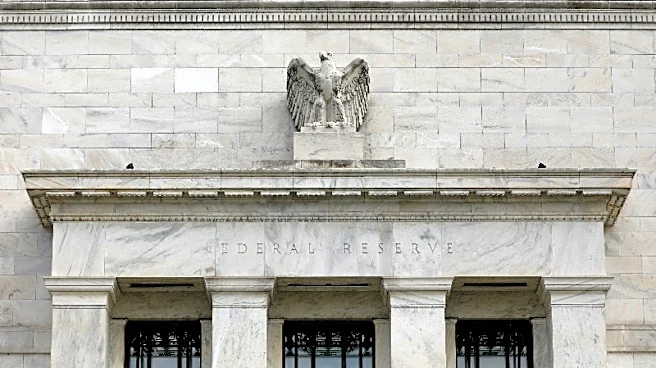
Global fund managers have significantly increased their equity allocations in May, marking the largest rise on record, according to a Bank of America survey. This shift is driven by optimism surrounding earnings growth and the potential for the Federal
Reserve to cut interest rates. The survey, conducted between May 8 and May 14, included 200 respondents managing a combined $517 billion in assets. A net 50% of fund managers reported being overweight in equities, a substantial increase from 13% the previous month. Despite high oil prices and stalled peace negotiations between the U.S. and Iran, stock markets are nearing record highs, buoyed by a strong earnings season and substantial corporate investment in artificial intelligence. The survey also revealed that average cash levels have decreased from 4.3% to 3.9%.
Why It's Important?
The increase in equity allocations by global fund managers reflects a broader confidence in the market's resilience and potential for growth, despite geopolitical tensions and economic uncertainties. This trend suggests that investors are betting on continued corporate earnings growth and are optimistic about potential monetary policy easing by the Federal Reserve. The shift away from cash holdings towards equities indicates a risk-on sentiment, which could drive further market gains. However, the survey also highlights concerns about inflation, with 40% of respondents identifying a second wave of inflation as a significant risk. The outcome of these investment strategies could have substantial implications for financial markets, influencing asset prices and investor behavior.
What's Next?
Looking ahead, the financial markets will likely continue to monitor developments in U.S.-Iran relations and oil prices, as these factors could impact global economic stability. Additionally, the Federal Reserve's decisions regarding interest rates will be closely watched, as any rate cuts could further fuel equity market rallies. Fund managers will also need to navigate potential inflationary pressures, which could affect investment returns. The ongoing investment in artificial intelligence by companies may continue to drive optimism and market performance, but investors will need to remain vigilant about potential economic headwinds.