







What's Happening?
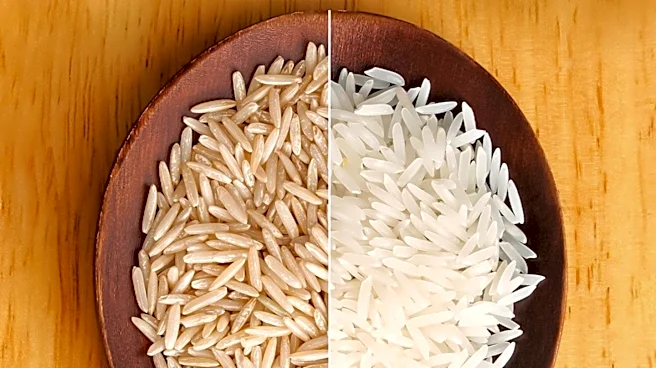
White rice, a staple food for many, is often criticized for its lack of nutrients compared to whole grains. While it provides a quick source of energy and is easy to digest, it lacks significant amounts of vitamins and minerals due to the removal of the bran
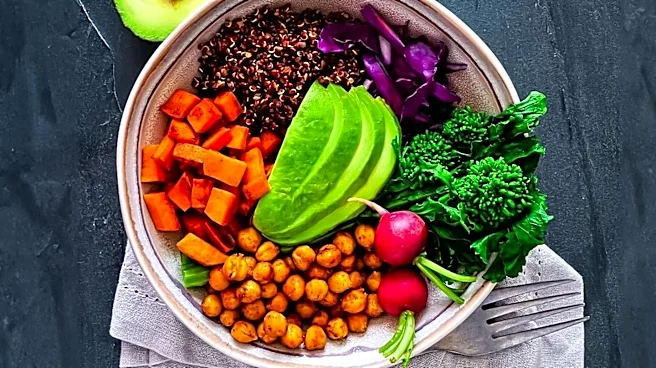
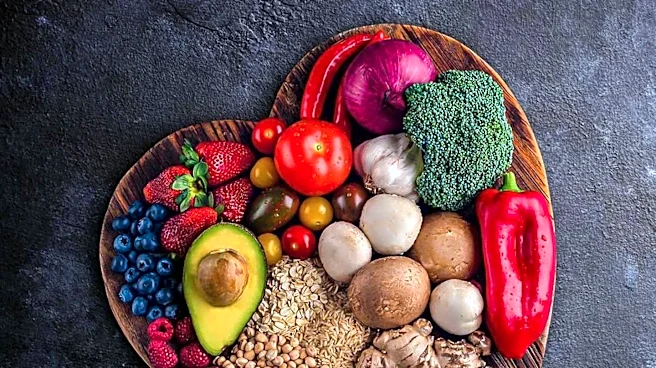
and germ during processing. Most white rice consumed in the U.S. is enriched with nutrients like iron and B vitamins to compensate for these losses. Experts suggest that while white rice can be part of a healthy diet, it should be balanced with nutrient-dense foods to avoid missing out on essential nutrients found in vegetables, legumes, and whole grains.
Why It's Important?
Understanding the nutritional profile of white rice is crucial for consumers aiming to maintain a balanced diet. While it can be a convenient and affordable food option, relying heavily on white rice may lead to deficiencies in essential nutrients, impacting overall health. For individuals with specific dietary needs, such as those managing diabetes or heart health, the high glycemic index and low fiber content of white rice can pose challenges. Therefore, incorporating a variety of grains and nutrient-rich foods is recommended to ensure a well-rounded diet that supports long-term health.