





What's Happening?
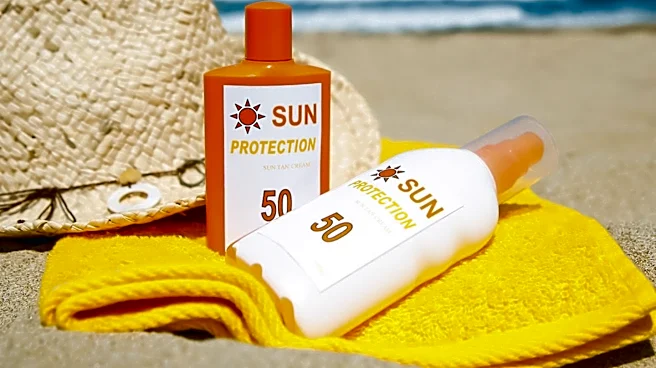
Consumer Reports has released its annual evaluation of sunscreens, testing over 100 products to determine their effectiveness in protecting against ultraviolet B (UVB) rays, which cause sunburn and contribute to skin cancer. The report highlights that
while many sunscreens do not meet their labeled SPF claims, they still offer protection against the sun's harmful rays. The top-rated products include Coppertone Water Babies Lotion SPF 50 and Eucerin Advanced Hydration Spray SPF 50. The report emphasizes the importance of using sunscreen, noting that any sunscreen is better than none. It also provides guidance on the application, recommending about an ounce of lotion for full body coverage and reapplication every two hours. Sprays, while convenient, pose risks such as inhalation and uneven application.
Why It's Important?
The findings from Consumer Reports are significant as they provide consumers with critical information on the effectiveness of sunscreens, which are essential for skin protection during sun exposure. The report underscores the importance of using sunscreen to prevent skin cancer and premature aging caused by UVA and UVB rays. By identifying top-performing products, the report aids consumers in making informed choices, potentially reducing the risk of skin damage. The emphasis on proper application techniques also highlights the need for consumer education to maximize the protective benefits of sunscreens.
What's Next?
As summer approaches, consumers are likely to increase their use of sunscreens, making the timing of this report particularly relevant. Manufacturers may respond to these findings by improving product formulations to better meet SPF claims. Additionally, there may be increased public health campaigns to educate consumers on the importance of sunscreen use and proper application techniques. Retailers might also adjust their marketing strategies to highlight top-rated products, influencing consumer purchasing decisions.
Beyond the Headlines
The report raises broader questions about product labeling and consumer trust. The discrepancy between labeled SPF values and actual performance could lead to regulatory scrutiny and calls for more stringent testing standards. This situation also highlights the need for transparency in product marketing and the role of consumer advocacy groups in holding manufacturers accountable. Long-term, these findings could influence industry standards and consumer expectations, driving innovation in sunscreen formulations.