





What's Happening?
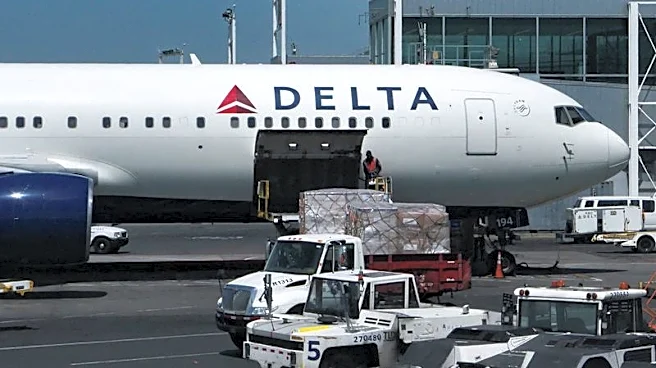
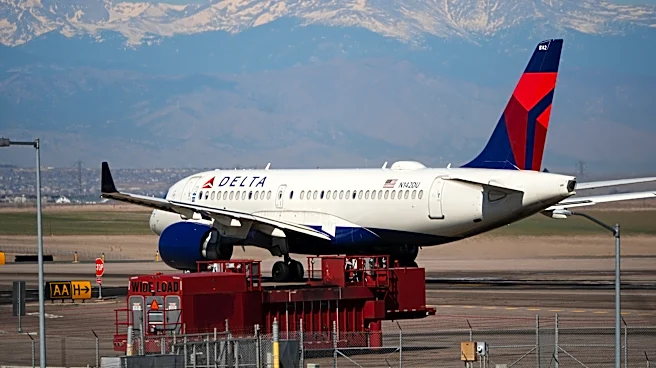
Delta Air Lines CEO Ed Bastian has indicated that despite potential drops in oil prices, the airline intends to maintain its current pricing strength. During a recent earnings call, Bastian discussed the impact of fluctuating fuel costs on ticket prices, emphasizing
that the airline's strategy involves reducing capacity to drive up prices. This approach is part of a broader industry trend where airlines are grappling with profitability challenges, often relying heavily on loyalty programs for revenue. Bastian also mentioned the possibility of significant industry consolidation, which he believes would benefit Delta, regardless of the airline's direct involvement.
Why It's Important?
The airline industry's pricing strategies have significant implications for consumers and the broader economy. As airlines like Delta adjust their capacity and pricing in response to fuel price volatility, travelers may face higher costs and fewer options. This could particularly impact budget-conscious travelers and those relying on low-cost carriers. Additionally, Bastian's comments on potential industry consolidation suggest a future where fewer airlines dominate the market, potentially reducing competition and affecting service quality and pricing. Such consolidation could reshape the industry landscape, influencing everything from employment to regional connectivity.
What's Next?
As Delta and other airlines navigate these challenges, travelers can expect continued adjustments in flight schedules and pricing. The potential for industry consolidation could lead to mergers and acquisitions, altering the competitive dynamics of the airline sector. Stakeholders, including regulators and consumer advocacy groups, may closely monitor these developments to ensure fair competition and consumer protection. Airlines will likely continue to explore ways to optimize operations and maintain profitability amid ongoing economic uncertainties.