



What's Happening?
Chinese automaker Chery is making a strategic entry into Japan's kei car market through a joint venture named Electric Mobility Technologies. This venture, registered in Singapore, will introduce battery-electric vehicles under the new Emta sub-brand
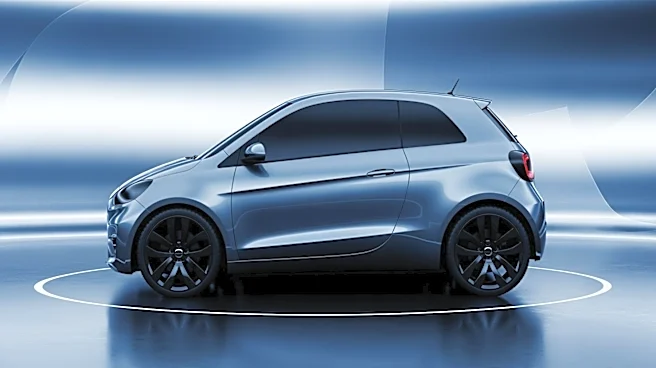
starting in 2027. Chery is positioning itself as a technology and platform supplier, distancing its Chinese identity from the public face of the venture. The joint venture includes key players such as Jiangsu Yueda, Autobacs Seven, Gotion, and Anest, with Chery and Jiangsu Yueda holding the largest stakes. The first model, a 3.4-meter kei car, will be based on Chery's QQ Ice Cream platform, with production initially in China and potential Japanese manufacturing by 2030. The venture aims to leverage Autobacs' retail network to avoid the challenges faced by other Chinese brands in Japan.
Why It's Important?
Chery's entry into the Japanese market is significant as it highlights the challenges and strategies of Chinese automakers in penetrating Japan's insular automotive market. The kei car segment, dominated by domestic brands, represents a substantial portion of Japan's vehicle sales, making it a critical entry point for foreign manufacturers. Chery's approach of using a new brand and leveraging local partnerships reflects a strategic adaptation to overcome consumer resistance and regulatory hurdles. This move could influence other Chinese automakers' strategies in Japan and potentially alter the competitive landscape in the kei car segment, which is currently underserved by electric vehicle options.
What's Next?
Chery's success in Japan will depend on its ability to navigate the local subsidy framework and consumer preferences. The joint venture's potential manufacturing commitment in Japan by 2030 could improve its standing in the market. However, the company must address the subsidy disadvantages that have affected other Chinese entrants like BYD. The outcome of Chery's strategy could set a precedent for future Chinese entries into Japan and impact the broader acceptance of Chinese brands in the Japanese automotive market.