







What's Happening?
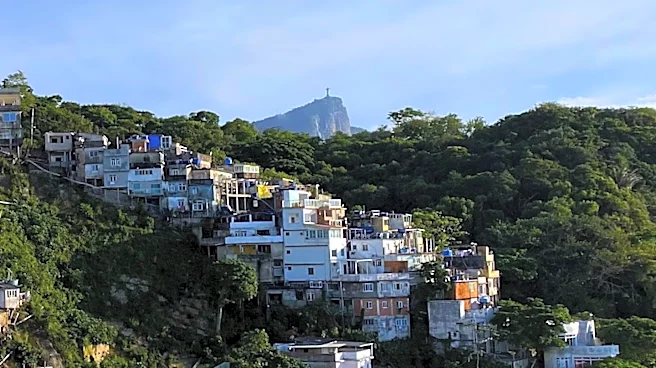
Favela tourism in Rio de Janeiro is gaining popularity, attracting visitors interested in experiencing the vibrant culture and unique landscapes of these communities. Despite its growing appeal, this form of tourism is controversial, as it raises ethical
questions about the commodification of poverty. Tours often highlight the colorful and densely packed homes, but critics argue that they fail to provide a comprehensive understanding of the residents' lives, focusing instead on superficial aspects. The increase in visitors has been fueled by social media, with viral images drawing tourists to these areas.
Why It's Important?
The rise of favela tourism highlights the complex dynamics between tourism, culture, and socio-economic issues. While these tours can provide economic benefits to local communities, they also risk turning residents' hardships into spectacles for entertainment. This trend reflects broader shifts in tourism, where travelers seek 'authentic' experiences in less traditional destinations. The ethical implications of such tourism are significant, as they challenge the industry to consider the impact on local communities and the narratives being promoted. Balancing economic opportunities with respect for residents' dignity and privacy is a critical concern.
Beyond the Headlines
Favela tourism raises important questions about the portrayal of poverty and the responsibilities of tourists and tour operators. The practice of showcasing disadvantaged communities as tourist attractions can perpetuate stereotypes and ignore the systemic issues contributing to poverty. Ethical tourism practices require a focus on empowering local communities, ensuring that they benefit from tourism activities and have a voice in how their stories are told. This development also prompts a reevaluation of how tourism can be a force for positive change, fostering cultural exchange and understanding rather than exploitation.