





What's Happening?
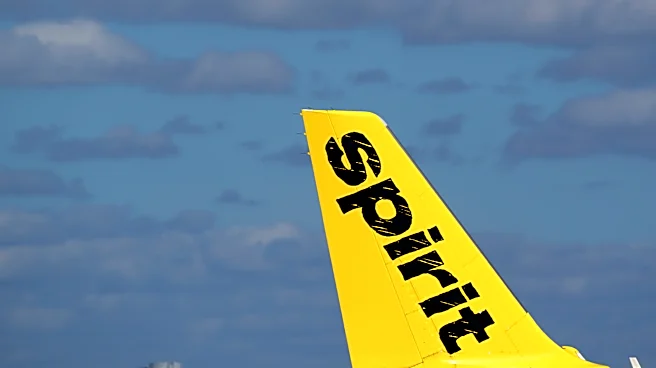
President Trump has suggested the possibility of a federal bailout for Spirit Airlines, which has been struggling with bankruptcy and a failed merger with JetBlue. The proposal has sparked a debate among politicians, analysts, and industry leaders. Some,
like Sen. Ted Cruz, oppose the bailout, citing past corporate bailouts as mistakes. Others, like Sen. Elizabeth Warren, question the benefits for taxpayers. The airline's financial troubles are attributed to high fuel prices and a flawed business model, with some experts suggesting a government-managed wind-down of the airline.
Why It's Important?
The potential bailout of Spirit Airlines raises important questions about government intervention in the airline industry. While a bailout could prevent job losses and maintain service for consumers, it also risks setting a precedent for future government support of struggling companies. The debate highlights broader issues of corporate governance, accountability, and the role of government in the economy. The outcome could influence policy decisions and investor confidence in the airline sector.
What's Next?
As discussions continue, stakeholders will be closely monitoring the government's decision on whether to proceed with a bailout. The situation could lead to policy changes regarding government support for private companies. The airline industry may also see shifts in competition and market dynamics, depending on the outcome of the bailout discussions.