







What's Happening?
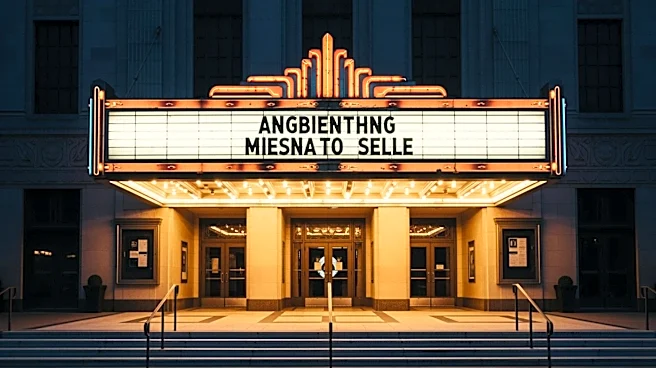
The Majestic Theatre Center in Detroit, a historic venue with deep roots in the city's cultural scene, has become a landmark thanks to its unique blend of entertainment offerings and historical significance. Originally opened in 1915, the theater was
designed by renowned architect C. Howard Crane. Over the years, it has undergone various transformations, including a period of bankruptcy in the 1950s when it was converted into a church and later a photography studio. The Zainea family, who have owned the adjacent Garden Bowl since 1946, purchased the Majestic in 1984 and have since revitalized it. The venue is known for its 'Rock-N-Bowl' events, where bands perform over the bowling lanes, a concept that has attracted numerous artists, including Jack White. The Majestic Theatre Center now includes multiple venues, such as the Magic Stick, which caters to smaller acts and has hosted performances by The White Stripes and other notable bands.
Why It's Important?
The Majestic Theatre Center's evolution reflects broader trends in urban revitalization and the preservation of cultural landmarks. By maintaining and adapting historic venues, the Zainea family has contributed to Detroit's cultural and economic landscape, providing a space for both local and international artists. This approach not only preserves the city's architectural heritage but also supports the local economy by attracting visitors and fostering a vibrant arts scene. The venue's success demonstrates the potential for historic sites to be repurposed in ways that honor their past while serving contemporary community needs. The inclusion of the Majestic's facade on the National Register of Historic Places underscores its cultural significance and ensures its preservation for future generations.
What's Next?
The Zainea family continues to explore opportunities for the Majestic Theatre Center, balancing the risks and rewards of operating a multi-venue complex. While they have considered selling the music venues, they remain committed to maintaining the site's role as a cultural anchor in Detroit. Future plans may include further renovations or programming adjustments to meet evolving community needs. The family's dedication to the venue's legacy suggests that the Majestic will continue to play a significant role in Detroit's cultural scene, potentially inspiring similar preservation efforts in other cities.
Beyond the Headlines
The story of the Majestic Theatre Center highlights the challenges and rewards of preserving historic venues in urban environments. It raises questions about the balance between commercial viability and cultural preservation, as well as the role of private ownership in maintaining public heritage sites. The Zainea family's commitment to the Majestic reflects a broader trend of individuals and families taking active roles in preserving cultural landmarks, often at personal financial risk. This case also illustrates the potential for historic venues to serve as catalysts for community engagement and economic development, offering a model for other cities seeking to revitalize their cultural assets.