






What's Happening?
Exxon Mobil and Chevron, two of the largest oil companies in the U.S., reported a decline in profits for the first quarter of 2026. Despite higher crude and gasoline prices, the companies faced setbacks due to financial hedges that backfired following
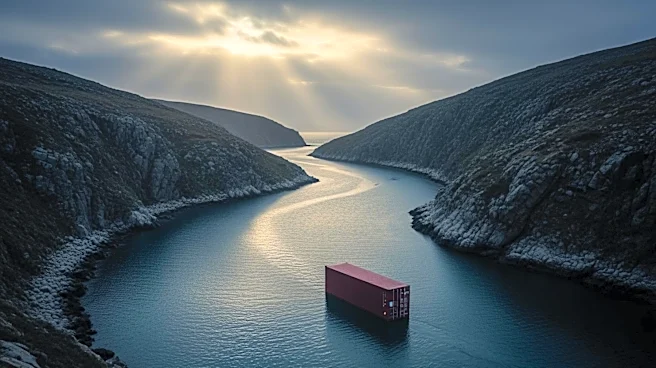
U.S. and Israeli attacks on Iran. The closure of the Strait of Hormuz, a critical passage for global oil transport, has disrupted the physical delivery of oil, affecting the companies' ability to book gains on their hedges. Exxon reported earnings of $4.18 billion, down from $7.7 billion a year earlier, while Chevron's profit fell to $2.21 billion from $3.5 billion.
Why It's Important?
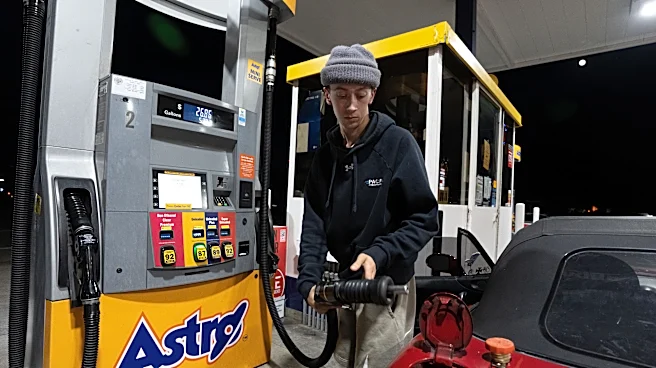
The closure of the Strait of Hormuz has significant implications for global oil markets, affecting supply chains and contributing to rising energy prices. The disruption has led to increased gasoline prices in the U.S., impacting consumers and businesses sensitive to fuel costs. The situation highlights the vulnerability of global oil supply chains to geopolitical tensions and underscores the importance of strategic hedging practices in the industry. As energy prices continue to rise, the economic strain on households and businesses may lead to broader economic challenges, including inflationary pressures.