
What's Happening?
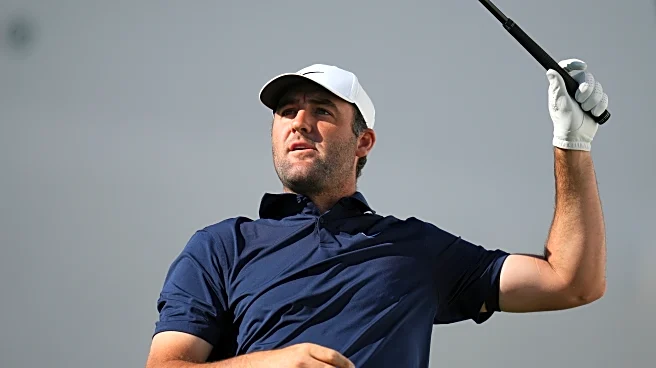
Brooks Koepka is set to make a return to the PGA Tour by the end of January under the new Returning Member Program. This follows his departure from the LIV Golf League, a Saudi-backed circuit he joined
in 2022. Koepka, a five-time major champion, had been ineligible to compete on the PGA Tour during his time with LIV Golf. His return is facilitated by a program designed to reinstate 'elite performers' who have been away from the PGA Tour for at least two years and have won major tournaments in the last four seasons. Koepka will participate in the Farmers Insurance Open and the WM Phoenix Open. As part of his reinstatement, he has agreed to make a $5 million charitable donation. The program also opens the door for other major winners like Bryson DeChambeau, Jon Rahm, and Cameron Smith to return, provided they apply by February 2.
Why It's Important?
Koepka's return to the PGA Tour is significant as it marks a shift in the dynamics between the PGA Tour and LIV Golf, highlighting the competitive landscape of professional golf. The Returning Member Program could potentially bring back other high-profile golfers, thereby strengthening the PGA Tour's roster. This move is also a strategic response by the PGA Tour to maintain its status as the premier golf tour by reintegrating top talent. Financial penalties and the requirement for charitable donations as part of the reinstatement process underscore the PGA Tour's efforts to balance competitive integrity with financial accountability. The return of elite players like Koepka could enhance the tour's appeal to fans and sponsors, potentially increasing viewership and revenue.
What's Next?
Koepka's return may prompt other former PGA Tour players to consider rejoining, especially those eligible under the Returning Member Program. The PGA Tour will likely monitor the impact of these returns on current members and the overall competitive environment. The integration of returning players into the tour's schedule, including Signature Events, will be closely watched. Additionally, the financial implications for returning players, such as the five-year ban from the Player Equity Program, will be a point of discussion. The PGA Tour's handling of these transitions could set a precedent for future interactions with rival leagues like LIV Golf.