


What's Happening?
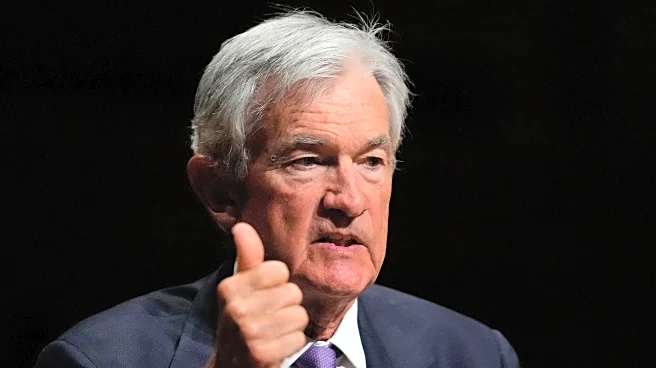
Despite gasoline prices exceeding $4 a gallon, the Federal Reserve is not expected to raise interest rates. Fed Chair Jerome Powell indicated that raising rates in response to the current energy price shock could be inappropriate, as it might weigh on the economy
during a period of softening labor conditions and elevated recession concerns. Powell's remarks suggest that the central bank is more focused on the potential for higher energy prices to slow economic growth rather than fuel lasting inflation. This stance comes amid conflicting economic signals, including unexpected rises in import prices and a significant increase in the U.S. inflation forecast by the OECD. Market expectations have shifted from potential rate hikes to possible cuts later in the year.
Why It's Important?
The Federal Reserve's decision to hold interest rates steady, despite high gas prices, reflects a strategic approach to managing economic growth and inflation. By prioritizing growth over immediate inflation concerns, the Fed aims to prevent demand destruction, which could lead to reduced consumer spending and hiring. This approach highlights the complex challenges faced by policymakers in balancing inflation control with economic stability. The decision also impacts financial markets, influencing investor expectations and potentially affecting stock prices and bond yields. The Fed's stance underscores the importance of careful monetary policy in navigating economic uncertainties.
What's Next?
The Federal Reserve's future actions will likely depend on evolving economic conditions, including the trajectory of energy prices and their impact on growth. Policymakers may continue to monitor inflation and labor market indicators to determine the appropriate course of action. If energy prices stabilize or decline, the Fed might consider rate cuts to support economic growth. Conversely, if inflationary pressures persist, the central bank could reassess its position. Stakeholders, including businesses and consumers, will need to adapt to potential changes in interest rates and their implications for borrowing costs and economic activity.