




What's Happening?
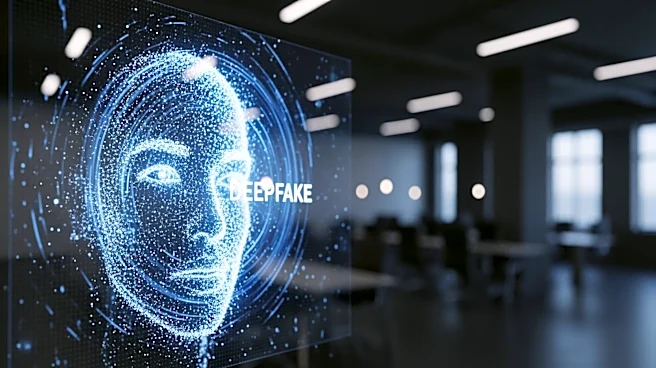
Taylor Swift and Matthew McConaughey have filed trademark applications to protect their likenesses from misuse involving artificial intelligence. This move is part of a broader trend among celebrities to safeguard their identities against AI-generated
deepfakes. Legal experts suggest that these trademarks could act as a deterrent against unauthorized use of their likenesses in commercial contexts. The strategy, however, remains untested in court, raising questions about its effectiveness. Other celebrities, such as Michael Jordan and Tiger Woods, have previously used trademark law to protect their identities, but the application of these laws to AI-generated content is still evolving.
Why It's Important?
The increasing use of AI to create deepfakes poses significant challenges to personal privacy and intellectual property rights. For celebrities, whose likenesses are valuable assets, the misuse of their images and voices can lead to reputational damage and financial loss. By filing trademarks, celebrities like Swift and McConaughey aim to establish legal grounds to challenge unauthorized AI-generated content. This trend highlights the need for updated legal frameworks to address the unique challenges posed by AI technologies. The outcome of these trademark applications could set precedents for how intellectual property laws are applied in the digital age.
What's Next?
As more celebrities consider trademarking their likenesses, the legal community is closely watching to see how these cases will be handled in court. There is potential for new legislation, such as the No FAKES Act, which aims to protect individuals' voices and likenesses from unauthorized AI use. The effectiveness of these trademarks will likely depend on future legal interpretations and the development of comprehensive laws addressing AI misuse. Meanwhile, celebrities and their legal teams continue to explore various strategies to protect their identities in an increasingly digital world.