
What's Happening?
The 2026 Australian Grand Prix has sparked a debate among Formula 1 drivers regarding the new regulations introduced this season. George Russell, who won the race, defended the new rules, labeling criticisms as 'selfish.' Lando Norris, who finished fifth,
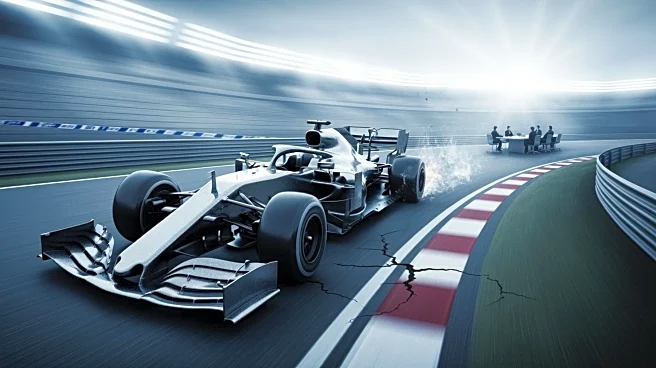
expressed concerns about the potential for serious accidents due to the unpredictability of overtaking under the new rules. Norris described the racing as 'artificial' and warned of the dangers posed by significant speed differences between cars. Despite these concerns, Russell urged drivers to give the regulations more time, suggesting that criticisms might be influenced by individual performance outcomes. Other drivers, including Max Verstappen and Oliver Bearman, have echoed Norris's concerns, hoping for adjustments from the FIA.
Why It's Important?
The introduction of new regulations in Formula 1 is significant as it impacts the safety and competitiveness of the sport. The concerns raised by Lando Norris highlight potential safety risks that could affect drivers' well-being and the integrity of races. If the regulations lead to increased accidents, it could result in negative publicity and potential changes in viewership and sponsorship. On the other hand, George Russell's defense of the rules suggests a divide in the paddock, which could influence future discussions and decisions by the FIA. The outcome of this debate could shape the future of Formula 1, affecting teams, drivers, and the sport's global audience.
What's Next?
The next race, the Chinese Grand Prix, is scheduled to take place at the Shanghai International Circuit from March 13-15. This event will be crucial in assessing the impact of the new regulations further. Drivers and teams will likely continue to evaluate the rules' effects on performance and safety. The FIA may consider feedback from drivers and teams to determine if adjustments are necessary. The ongoing discussions and outcomes of upcoming races will be pivotal in shaping the future regulatory landscape of Formula 1.