



What's Happening?
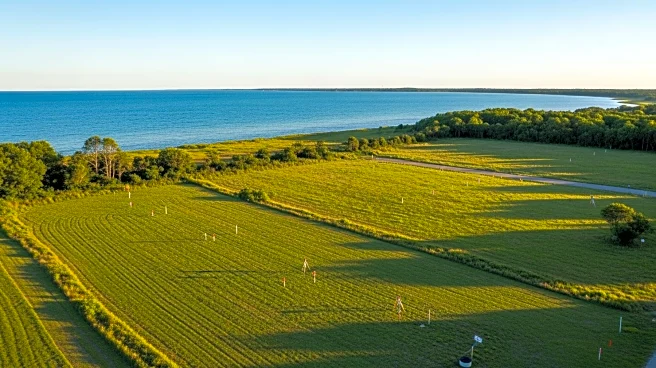
The Florida Cabinet, along with Governor Ron DeSantis, has approved the transfer of a 22-acre plot of state-owned land to Hillsborough College for the construction of a new stadium for the Tampa Bay Rays. This decision is part of a broader plan to develop
a mixed-use entertainment district on the college campus, which will also include renovations to some of the college's buildings. The land, located near the New York Yankees' spring training facility and Raymond James Stadium, was previously owned by the state. The agreement includes a clause allowing the state to reclaim the land if the stadium is not completed within five years. The Rays have committed to funding at least 50% of the stadium's construction costs, with the remaining funds expected to come from the city of Tampa and Hillsborough County. The state of Florida will not provide direct funding for the project.
Why It's Important?
This development is significant for the Tampa Bay region as it promises to enhance the local economy through increased tourism and job creation associated with the new stadium and entertainment district. The project is expected to revitalize the area, attracting more visitors and potentially boosting local businesses. For the Rays, securing a new stadium is crucial for the team's future, as their current lease at Tropicana Field in St. Petersburg runs through 2028. The new stadium is seen as a necessary step to ensure the team's long-term presence in the region. Additionally, the involvement of state and local governments highlights the importance of public-private partnerships in large-scale infrastructure projects.
What's Next?
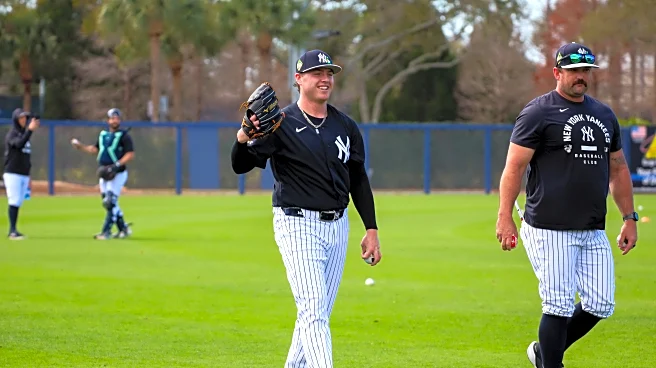
The Rays aim to complete the new stadium within three years, with construction expected to begin soon. The team will temporarily play home games at the Yankees' Steinbrenner Field in 2025 due to hurricane damage at Tropicana Field. As the project progresses, stakeholders will need to address potential challenges, such as securing the remaining funding and ensuring timely completion to avoid the state's reclamation of the land. The success of this project could set a precedent for future collaborations between sports franchises and local governments.