




What's Happening?
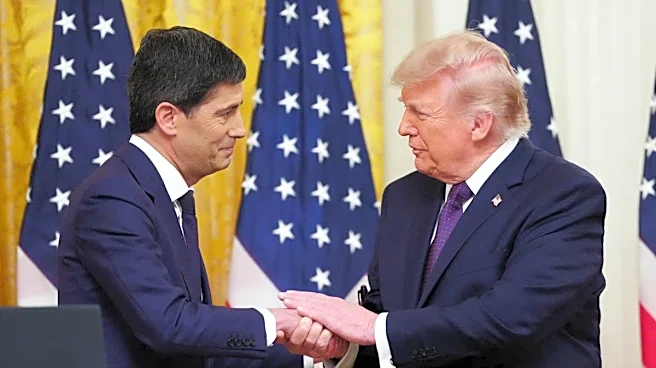
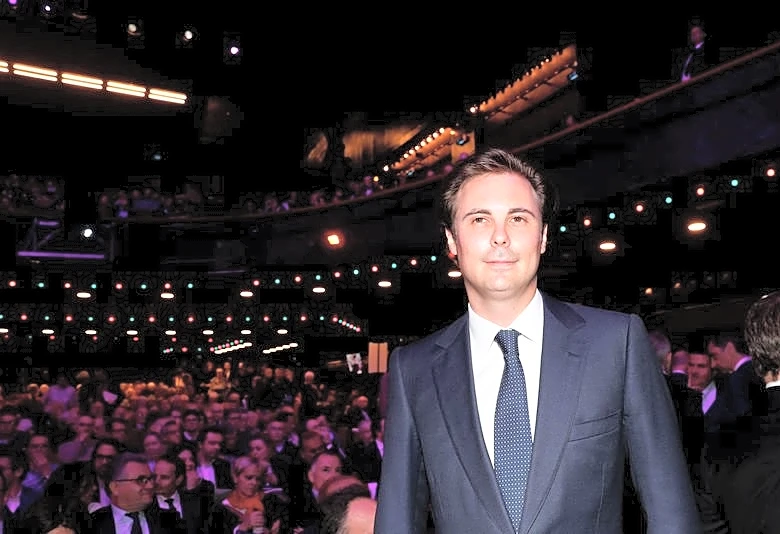
Kevin Warsh has been sworn in as the new Chairman of the Federal Reserve, marking the first time since 1987 that a Fed chair has taken the oath of office at the White House. President Trump, who attended the ceremony, emphasized the importance of Warsh's
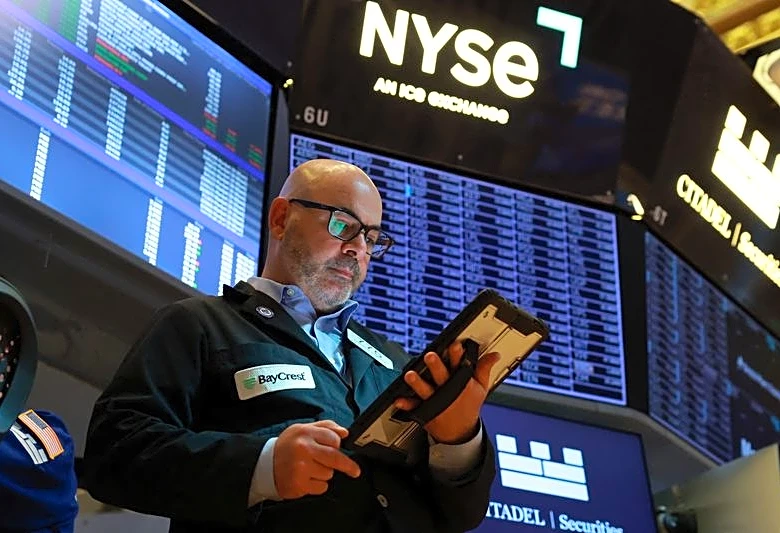
independence in his new role, although he later expressed expectations for a rapid decrease in interest rates. Warsh's appointment comes at a time when the Federal Reserve is under scrutiny for its role in financial markets, with expectations that he may implement significant changes, including reducing the Fed's market interventions and establishing clearer guidelines for its actions.
Why It's Important?
The appointment of Kevin Warsh as Fed Chair is significant for the U.S. economy, as it signals potential shifts in monetary policy that could impact interest rates, inflation, and overall economic stability. Warsh's leadership could lead to a reevaluation of the Fed's involvement in financial markets, which may affect investor confidence and market dynamics. His approach to interest rates will be closely watched by businesses and consumers, as it could influence borrowing costs and economic growth. The broader implications of his policies will be felt across various sectors, including housing, manufacturing, and consumer spending.
What's Next?
As Warsh begins his tenure, stakeholders will be keenly observing his policy decisions and their impact on the economy. The financial markets may react to any signals regarding interest rate changes or shifts in the Fed's market interventions. Political leaders and economic analysts will likely engage in discussions about the implications of Warsh's policies, particularly in the context of President Trump's expectations for lower interest rates. The coming months will be crucial in determining how Warsh's leadership will shape the Federal Reserve's role in the U.S. economy.