
What's Happening?
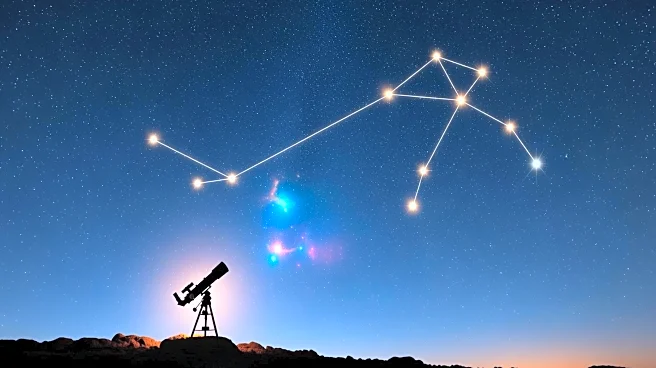
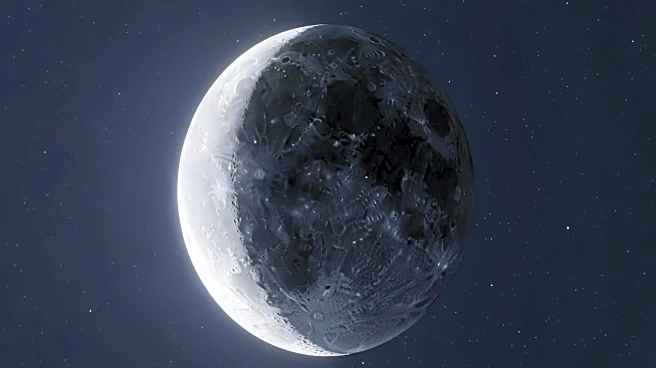
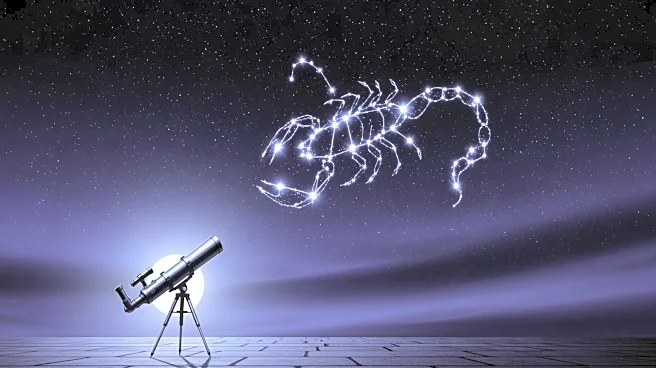
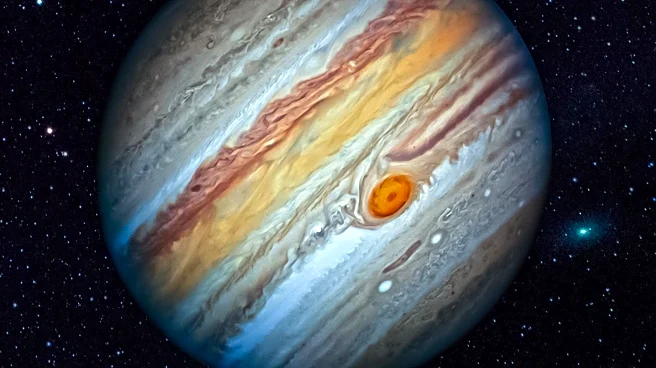
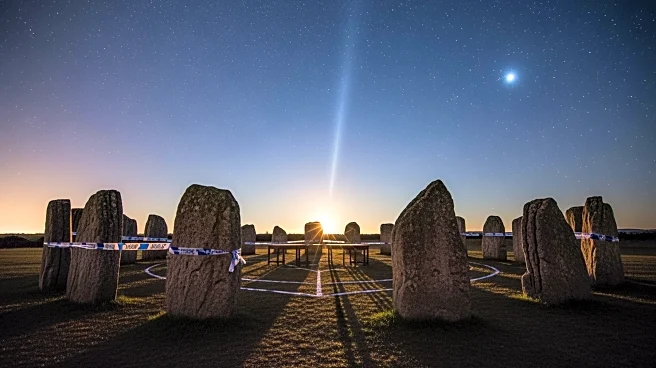
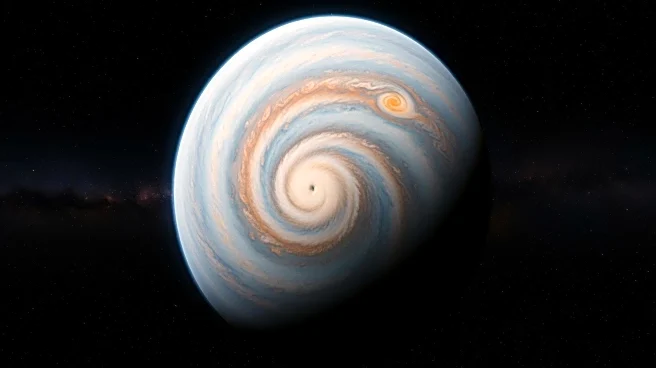
During the Christmas season of 2025, stargazers in the Northern Hemisphere will have the opportunity to observe several celestial events. The night sky will feature a waxing moon passing by Saturn, the Pleiades, and Jupiter, which will shine brightly in the east. Notably, Jupiter will be visible as a 'Christmas Star' due to its proximity to its annual opposition, making it exceptionally bright. The Rosette Nebula will also be visible, offering a chance to see this deep-sky wonder. These events provide an excellent opportunity for both amateur and experienced astronomers to enjoy the night sky using telescopes, binoculars, or even the naked eye.
Why It's Important?
These celestial events offer a unique opportunity for educational and recreational activities related
to astronomy. The visibility of planets like Jupiter and Saturn, along with deep-sky objects such as the Rosette Nebula, can inspire interest in space and science, particularly among young people and amateur astronomers. This period also coincides with the holiday season, potentially increasing public engagement with astronomy as families and individuals seek outdoor activities. The events can also boost sales and interest in telescopes and binoculars, benefiting businesses in the astronomy equipment sector.
What's Next?
As Jupiter approaches its opposition on January 10, 2026, it will continue to be a focal point for stargazers, offering clear views of its moons and cloud bands. The conjunctions and visibility of celestial bodies during this period may lead to increased public interest in astronomy events and educational programs. Astronomy clubs and observatories might organize special viewing events to capitalize on the heightened interest. Additionally, the visibility of these celestial events could encourage more people to invest in astronomy equipment, further supporting the industry.
Beyond the Headlines
The increased interest in stargazing during this period could have long-term effects on public engagement with science and technology. By fostering a greater appreciation for astronomy, these events might inspire future generations to pursue careers in science, technology, engineering, and mathematics (STEM) fields. Moreover, the communal aspect of stargazing can strengthen community bonds as people gather to observe the night sky together, promoting a shared appreciation for the natural world.