



What's Happening?
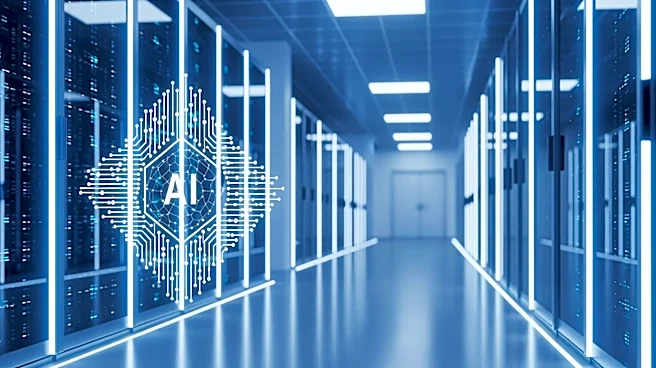
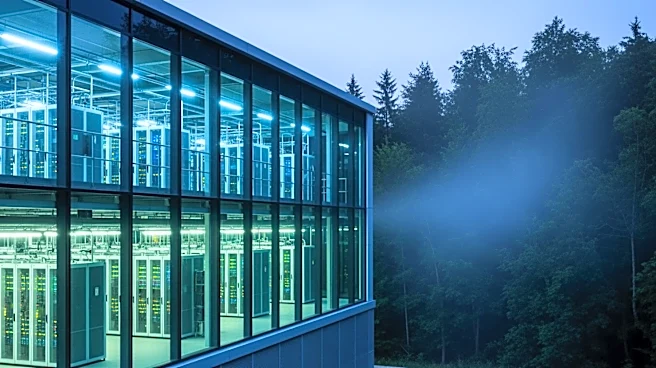
Data centers are facing new challenges due to the increasing demands of AI workloads, which are causing significant changes in their operation. Rack densities have increased from approximately 20 kW to over 100 kW, pushing cooling systems, electrical
infrastructure, and UPS systems to their limits. Traditional reliability programs, which relied on periodic inspections and threshold-based alarms, are no longer sufficient to prevent outages. The rapid escalation of issues such as localized overheating and electrical stress requires more advanced monitoring techniques, including thermal imaging and continuous electrical monitoring, to detect problems before they lead to failures.
Why It's Important?
The shift in data center operations due to AI workloads has significant implications for the tech industry and businesses reliant on data processing. As AI applications continue to grow, the demand for robust and reliable data centers becomes critical. The potential for increased outages poses risks to businesses that depend on uninterrupted data services, potentially leading to financial losses and operational disruptions. Addressing these challenges requires investment in advanced monitoring technologies and updated reliability programs, which could drive innovation and improvements in data center infrastructure. This evolution is crucial for supporting the expanding role of AI in various sectors.
What's Next?
Data center operators are likely to invest in more sophisticated monitoring systems to manage the increased demands of AI workloads. This may include the adoption of thermal, vibration, and electrical monitoring technologies to catch degradation early. As facilities become larger and more complex, there may also be a push for automation and AI-driven solutions to manage operations more efficiently. The industry could see a shift towards more resilient infrastructure designs and increased collaboration between data center operators and technology providers to develop solutions that address these emerging challenges.