



What's Happening?
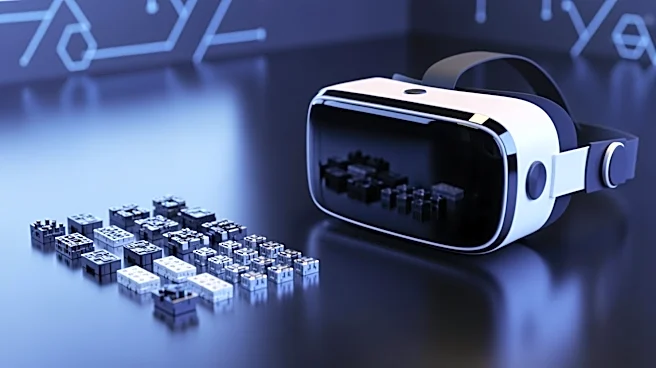
Pimax, a company known for its modular VR headsets, has announced a significant change affecting its Crystal Super PC VR headsets. The company is forced to switch a key component, the 70-pin connector, which has been discontinued by its supplier. This
connector was crucial for the modularity of the headsets, allowing users to swap optical engines for different visual experiences. Pimax has secured the remaining stock of these connectors to ensure compatibility with existing optical engines, but this change means there will now be two incompatible variants of the Crystal Super in circulation. The company plans to match headsets and optical engines at the time of purchase to mitigate compatibility issues. However, this situation complicates the secondhand market, as there is no visual difference between the connectors, making it difficult for users to identify which version they have.
Why It's Important?
This development is significant as it impacts the modularity that Pimax's Crystal Super headsets are known for, potentially affecting consumer confidence and the resale market. The change could lead to fragmentation within the product line, as users may face challenges in ensuring compatibility with future optical engines. This situation highlights the risks associated with relying on specific components from suppliers, which can disrupt product ecosystems when discontinued. For consumers, this means potential difficulties in upgrading or maintaining their headsets, which could influence purchasing decisions and brand loyalty. For Pimax, it underscores the importance of supply chain management and the need to communicate effectively with its user base to maintain trust and satisfaction.
What's Next?
Pimax plans to address the compatibility issues by matching headsets and optical engines at the point of sale, both for new purchases and when users buy additional modules. The company is also conducting an internal review to prevent similar issues in the future. Pimax has not announced any new optical engines beyond those already available, which could further strain the supply of the original 70-pin connectors. The company will need to manage its inventory carefully to support existing customers throughout the product's lifecycle. Additionally, Pimax may need to explore alternative solutions or new product lines to maintain its position in the competitive VR market.
Beyond the Headlines
The situation with Pimax's Crystal Super headsets highlights broader challenges in the tech industry related to modularity and supply chain dependencies. As companies strive to offer customizable products, they must balance innovation with the practicalities of component availability and compatibility. This case also raises questions about consumer rights and transparency, as users may face difficulties in identifying and resolving compatibility issues. The incident serves as a reminder of the complexities involved in maintaining a modular product ecosystem and the potential for unforeseen disruptions that can impact both manufacturers and consumers.