






What's Happening?
AI investment has become a cornerstone of the U.S. economy, accounting for 75% of GDP growth in the first quarter of 2026. Former AI advisor David Sacks emphasized that halting AI progress would equate to stopping economic growth. The Bureau of Economic
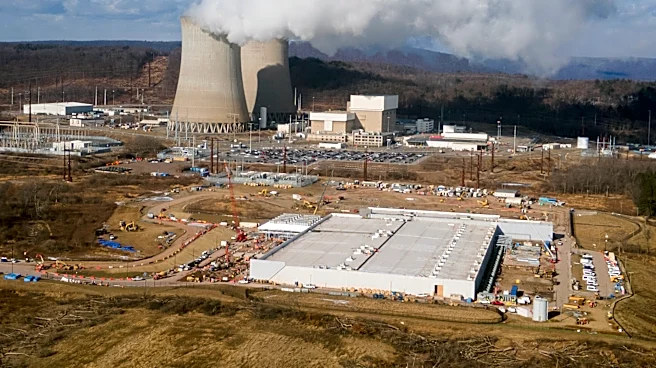
Analysis reported that business investments in AI-related areas, such as technical equipment and software, significantly contributed to GDP growth. Despite a slow job market, AI is driving economic activity, with construction of data centers creating temporary jobs.
Why It's Important?
The focus on AI investment highlights a shift in the U.S. economic landscape, where technology is becoming a primary growth driver. This trend underscores the importance of maintaining technological leadership to sustain economic momentum. However, the reliance on AI raises concerns about job displacement and the need for workforce adaptation. The economic benefits of AI are evident, but the challenge lies in balancing technological advancement with job creation and economic inclusivity.
What's Next?
The U.S. may continue to prioritize AI development, potentially leading to further deregulation and investment in AI infrastructure. Policymakers and industry leaders will need to address the implications of AI on the labor market, focusing on reskilling and workforce development. The construction of data centers will likely continue, providing short-term economic boosts, but long-term strategies will be needed to ensure sustainable growth. The role of AI in shaping future economic policies and its impact on various sectors will remain a key area of focus.