









What's Happening?
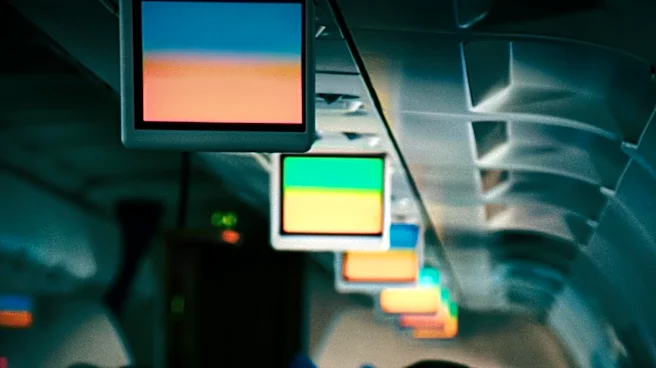
In recent years, the prevalence of in-flight entertainment systems has led to a noticeable trend where passengers on airplanes are increasingly closing their window shades. This shift is attributed to the growing ubiquity of these entertainment systems,
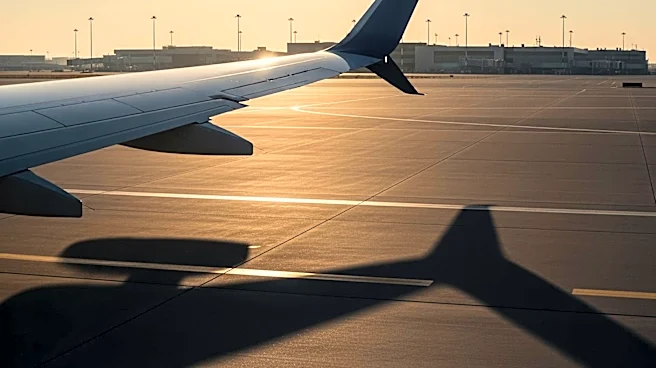
which have transitioned from being a novelty to a standard feature on flights. As passengers are required to switch their phones to airplane mode, they often turn to these screens for digital engagement. Consequently, airlines have phased out in-flight magazines, which previously offered passengers alternative forms of entertainment such as crosswords and sudoku. The closed window shades result in passengers missing out on the visual experience of air travel, including the view of landscapes and airport operations.
Why It's Important?
The trend of closing window shades due to in-flight entertainment systems has broader implications for the passenger experience. It highlights a shift in how travelers engage with their surroundings, prioritizing digital content over the natural and infrastructural views available during flights. This change reflects a broader societal trend towards digital consumption, even in environments traditionally associated with relaxation and observation. The loss of in-flight magazines also signifies a reduction in diverse entertainment options, potentially impacting passenger satisfaction. As airlines continue to enhance digital offerings, the balance between screen time and real-world engagement becomes a critical consideration for the travel industry.
What's Next?
As this trend continues, airlines may need to reassess the balance between digital and traditional forms of in-flight entertainment. There could be a push to reintroduce or innovate non-digital entertainment options to enhance the overall passenger experience. Additionally, there may be discussions around the design of aircraft interiors to encourage more natural light and views, even when digital systems are in use. Stakeholders, including airlines and passenger advocacy groups, might explore strategies to promote a more holistic travel experience that integrates both digital and real-world elements.
Beyond the Headlines
The increasing reliance on digital entertainment during flights raises questions about the long-term effects on passenger well-being and the cultural shift towards constant connectivity. It also prompts a reevaluation of how travel experiences are curated and the potential loss of traditional travel rituals, such as gazing out of the window. This development could influence future design and policy decisions in the aviation industry, as well as broader discussions about digital detox and the value of unplugging in various aspects of life.