







What's Happening?
Retailers are being encouraged to adopt personalized packaging strategies to enhance brand loyalty and encourage repeat purchases. According to Hayley Simon, head of Staci Create, the current retail environment is characterized by fragmented and frequent
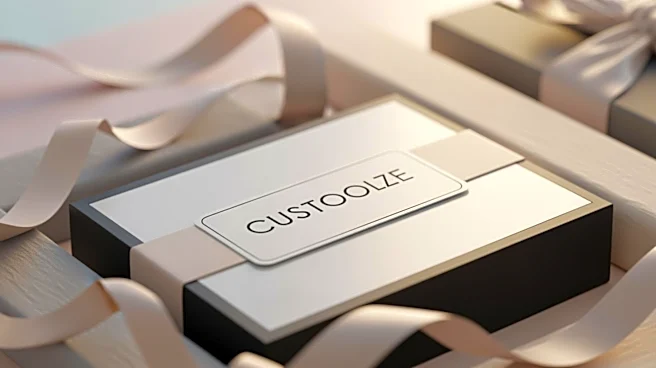
purchasing patterns, driven by consumer demand for variety and value. Data from the Office for National Statistics (ONS) indicates a significant shift in consumer spending habits, with online spending in department and discount stores increasing notably. This trend is attributed to economic factors such as volatile consumer confidence and rising living costs, which push shoppers to seek better deals. Personalized packaging is seen as a way to create emotional connections with consumers, transforming routine transactions into engaging experiences. By leveraging data-driven insights, retailers can tailor packaging to individual consumer preferences, enhancing satisfaction and brand value.
Why It's Important?
The push for personalized packaging is significant as it addresses the challenge of consumer transience in the retail sector. As shoppers increasingly seek variety and value, their loyalty to specific brands diminishes, making it crucial for retailers to find innovative ways to stand out. Personalized packaging offers a solution by fostering emotional connections and enhancing customer engagement. This approach not only helps in retaining customers but also encourages them to become brand advocates. In a competitive market, where online shopping is prevalent, personalized packaging can differentiate brands and drive repeat purchases, ultimately impacting retailers' bottom lines positively.
What's Next?
Retailers are expected to invest in data analytics and fulfillment processes to implement effective personalized packaging strategies. This involves regularly updating packaging designs and promotions to keep them fresh and engaging. By tapping into cultural moments and consumer insights, retailers can maintain consumer interest and loyalty. Additionally, the integration of smart, connected packaging that links to digital experiences could further enhance consumer engagement. As the retail landscape continues to evolve, those who successfully implement personalized packaging may gain a competitive edge, potentially influencing industry standards and consumer expectations.