




What's Happening?
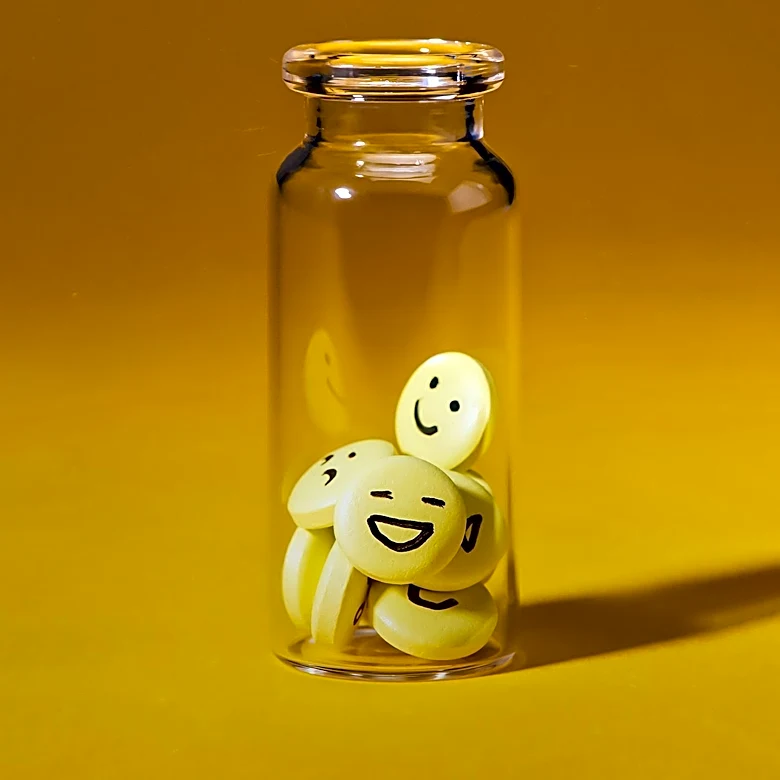
Memes have emerged as a popular tool for stress reduction, offering immediate relief by lowering stress hormones and boosting endorphins. According to research, viewing memes, especially those that are funny and relatable, is associated with higher levels
of positive emotions. Dr. Sohail Nibras, a psychiatrist, notes that laughter from memes can reduce stress and build resilience. The Facebook page 'Positivity and Laughs,' created during the COVID-19 lockdown, has gained over 300,000 followers, indicating a strong demand for feel-good content. Memes not only provide humor but also help individuals view negative situations from a less threatening perspective.
Why It's Important?
In a world filled with stressors, memes offer a simple and accessible way to improve mental health. They serve as a form of digital therapy, helping individuals cope with anxiety and depression by providing a momentary escape from reality. The popularity of meme pages like 'Positivity and Laughs' highlights the growing recognition of humor as a valuable mental health tool. By promoting laughter, memes can enhance emotional well-being, strengthen the immune system, and even improve cardiovascular health. This underscores the potential of digital content to positively impact mental health on a large scale.
Beyond the Headlines
The rise of memes as a mental health tool reflects broader cultural shifts towards digital and informal methods of stress management. As social media continues to influence daily life, the intentional consumption of positive content can act as a protective buffer against the negative effects of doom-scrolling. By curating a digital environment filled with humor and positivity, individuals can train their algorithms to prioritize nourishing content, ultimately fostering a healthier mental state. This trend also highlights the importance of digital literacy and the need for individuals to actively manage their online experiences.