



What's Happening?
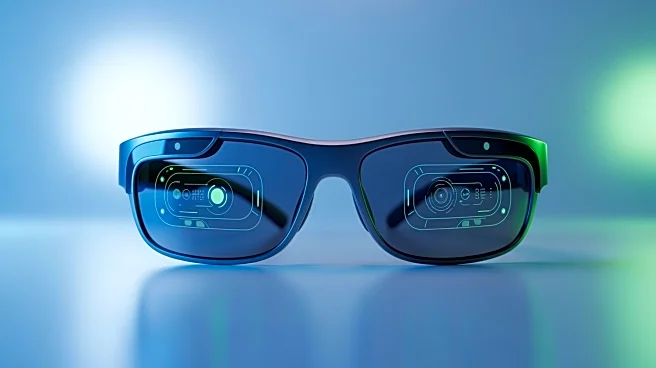
Qualcomm has introduced a new chip, the Snapdragon Wear Elite, designed to power a new generation of wearable tech devices. These devices, which include items like pendants, pins, and glasses, are intended to operate discreetly, often without screens,
and can perform tasks such as running AI models and communicating with other devices. The chip is engineered to be energy-efficient, even in devices that are constantly recording and interacting with smartphones. Major tech companies like Google, Motorola, and Samsung are set to incorporate this chip into their products. Despite the potential for innovation, tech companies face challenges in convincing consumers to adopt these new devices, particularly due to privacy concerns. Previous attempts, such as the AI Pin by the startup Humane, have struggled to gain traction, leading to parts of the business being sold to HP.
Why It's Important?
The introduction of Qualcomm's new chip signifies a potential shift in the consumer tech landscape, as companies explore alternatives to traditional smartphones. This development could lead to a new wave of tech gadgets that integrate more seamlessly into daily life, offering functionalities like real-time translations and contextual awareness through AI. However, the success of these devices hinges on overcoming significant privacy concerns, as they have the capability to record surroundings without overt user awareness. The tech industry must address these issues to gain consumer trust and ensure widespread adoption. The move also highlights the ongoing race among tech giants to capitalize on AI's growing popularity, with companies like Meta, Google, and Samsung investing heavily in smart glasses and other AI-driven devices.
What's Next?
As Qualcomm's new chip becomes integrated into upcoming products, tech companies will need to demonstrate the unique advantages of these devices over existing technology. This includes proving their ability to perform tasks more efficiently than smartphones and addressing privacy concerns. Companies like Google and Meta are likely to continue developing smart glasses and other wearable tech, potentially leading to new standards in user privacy and device functionality. The industry will also need to navigate regulatory landscapes and public perception to ensure these devices are used responsibly. The success of these initiatives could redefine consumer expectations and drive further innovation in the tech sector.
Beyond the Headlines
The rise of wearable tech powered by Qualcomm's new chip could have broader implications for privacy and data security. As these devices become more prevalent, there may be increased scrutiny from regulators and privacy advocates. The potential for misuse, such as unauthorized recording, could lead to new legal frameworks and industry standards to protect consumer rights. Additionally, the integration of AI into everyday objects could shift cultural norms around technology use and personal privacy. Companies will need to balance innovation with ethical considerations to maintain public trust and avoid backlash.