


What's Happening?
The U.S. inflation rate remained at 2.4% in February 2026, consistent with January's figures, as reported by the Bureau of Labor Statistics. This stability comes despite a 0.3% monthly increase in consumer prices, driven by higher costs for shelter, food,
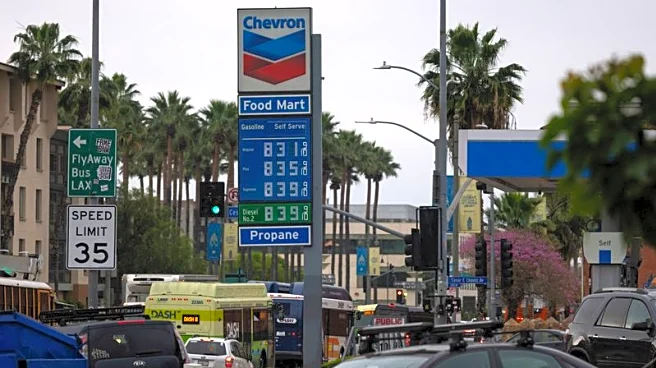
and energy. The report, however, does not fully account for the recent surge in oil prices following the onset of the Iran conflict in early March. Core inflation, excluding food and energy, rose by 0.2% in February. The geopolitical situation has led to increased gasoline prices, which averaged $3.58 per gallon as of March 11, up from $2.94 the previous month.
Why It's Important?
The steady inflation rate provides a temporary sense of stability, but the recent geopolitical tensions in Iran have introduced significant uncertainty. The rise in energy prices could exacerbate inflationary pressures, affecting consumer purchasing power and economic growth. The Federal Reserve's response to these developments is critical, as it will influence monetary policy and interest rates. The central bank's actions will have far-reaching implications for the U.S. economy, impacting everything from consumer spending to business investment.
What's Next?
The Federal Reserve is expected to maintain its current interest rate range of 3.5% to 3.75% at its upcoming meeting on March 17-18. However, the ongoing Iran conflict and its impact on oil prices may prompt a reevaluation of this stance. Economists predict that the Fed may hold off on any rate cuts until the full economic impact of the conflict is assessed. The situation remains fluid, with potential adjustments to monetary policy likely in the coming months.