







What's Happening?
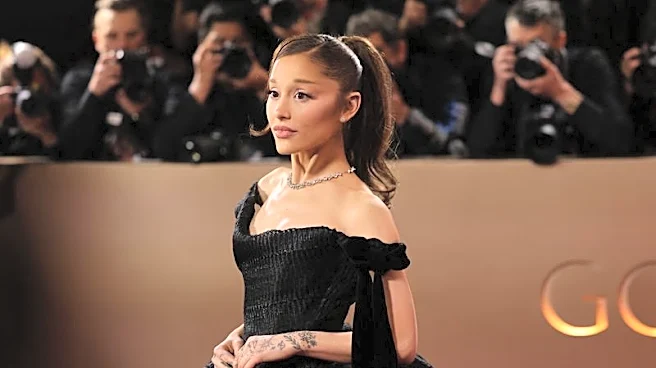
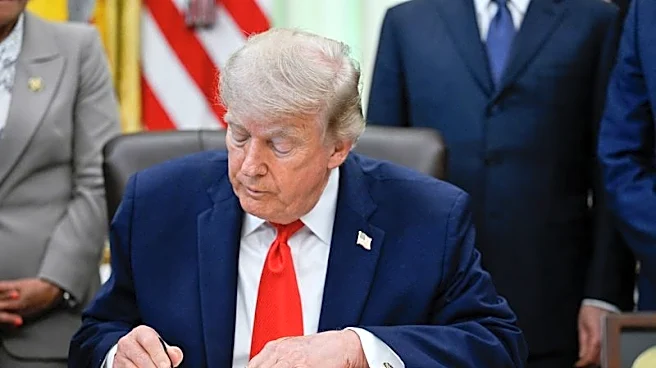
Ariana Grande has condemned the White House for using her song in a video montage of ICE arrests, which was posted on TikTok. The video, part of President Trump's immigration policy promotion, features her song 'Bye' and shows ICE agents arresting individuals.
Grande expressed her disapproval, labeling the policies as 'barbaric, inhumane, and heinous.' The White House defended its actions, with spokesperson Abigail Jackson stating that the real issue is the criminal activities of illegal aliens. Grande has been a vocal critic of ICE and has previously used her platform to oppose immigration enforcement policies. This incident adds to a list of musicians who have objected to the use of their music by the Trump administration.
Why It's Important?
This incident highlights the ongoing conflict between artists and political entities over the use of creative works in political messaging. Grande's public disapproval brings attention to the ethical and legal challenges surrounding the use of music in political contexts without the artist's consent. The backlash from a prominent artist like Grande could influence public opinion, particularly among her fans, and may lead to increased scrutiny of the administration's use of music in its promotional efforts. This situation also raises questions about the rights of artists to control how their work is used, potentially impacting future interactions between the entertainment industry and political figures.
What's Next?
Grande's team is likely to pursue the removal of her music from the White House's video, which could involve legal action or negotiations. The outcome may set a precedent for how artists can protect their work from unauthorized political use. The White House may face pressure to reconsider its approach to using music in promotional content, potentially leading to changes in how such content is created and shared. Other artists may also become more vocal in opposing the use of their work in political contexts, prompting a broader discussion about intellectual property rights in the digital age.