






What's Happening?
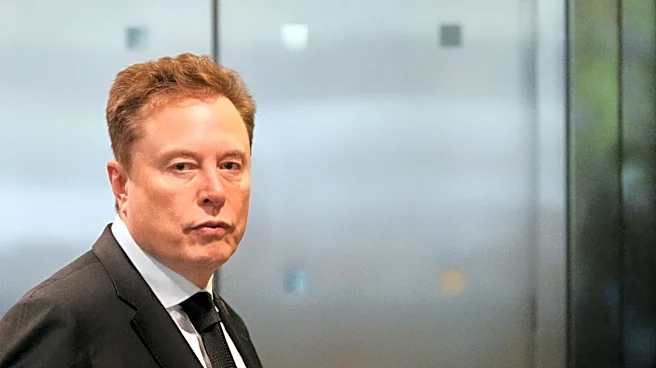
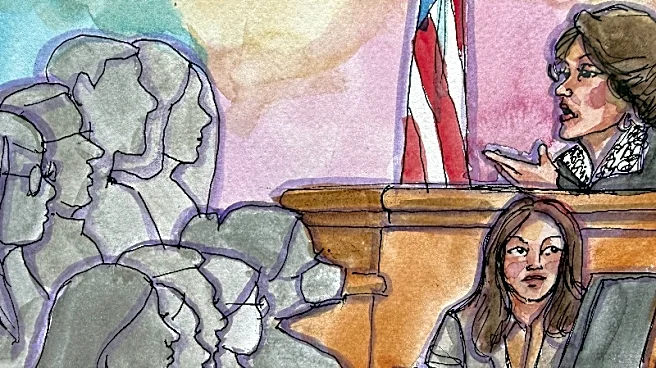
Elon Musk has announced plans to appeal a court decision after a jury in Oakland, California, ruled against him in a lawsuit against OpenAI and its CEO, Sam Altman. The jury found that Musk waited too long to file his lawsuit, which alleged that he was
defrauded out of his early investment in OpenAI when the nonprofit transitioned to a partial for-profit model. U.S. District Judge Yvonne Gonzalez Rogers accepted the jury's unanimous verdict. Musk criticized the ruling as being based on a 'calendar technicality' and accused Altman and OpenAI President Greg Brockman of enriching themselves at the expense of the charity.
Why It's Important?
The case highlights the legal complexities surrounding the transition of nonprofit organizations to for-profit entities, especially in the rapidly evolving tech industry. Musk's allegations of financial misconduct and the jury's dismissal based on the statute of limitations underscore the importance of timely legal action in corporate disputes. The outcome of the appeal could have significant implications for OpenAI's business operations and its potential public offering. The case also reflects broader tensions in the tech industry regarding governance and the balance between profit and nonprofit missions.
What's Next?
Musk's appeal to the Ninth Circuit Court of Appeals will be closely watched, as it could set a precedent for similar cases involving nonprofit-to-for-profit transitions. The appeal process may also bring further scrutiny to OpenAI's business practices and its relationship with major tech partners like Microsoft. Stakeholders in the tech and legal communities will be monitoring the case for its potential impact on corporate governance and investment strategies in the AI sector.