





What's Happening?
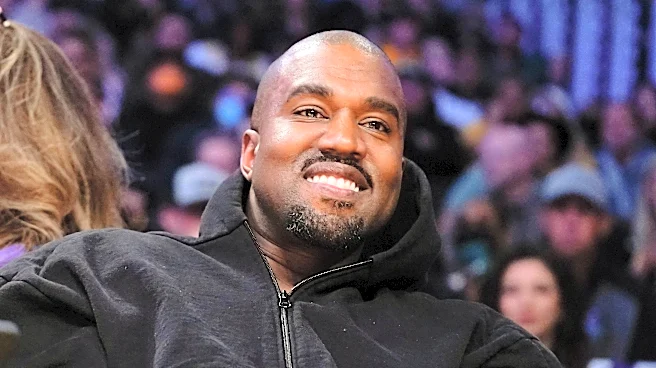
The Wireless Festival in the UK has been canceled after Kanye West was denied entry into the country due to his history of antisemitic remarks. The Home Office's decision to withdraw West's entry clearance led to the festival's cancellation, with organizers
stating that antisemitism in all forms is abhorrent. The festival, which was to feature West as the headliner, faced significant backlash from various quarters, including UK Prime Minister Keir Starmer and other public figures. Despite West's previous apology for his remarks, the controversy surrounding his comments and recent performances in Los Angeles contributed to the decision to deny his entry.
Why It's Important?
This development underscores the growing intolerance for hate speech and the societal demand for accountability from public figures. The cancellation of a major event like the Wireless Festival due to the actions of a single artist highlights the potential financial and reputational risks for event organizers. It also reflects the broader cultural shift towards holding individuals accountable for their public statements, particularly those that propagate hate or discrimination. The decision may set a precedent for how similar cases are handled in the future, influencing both the entertainment industry and public policy regarding hate speech.
What's Next?
In the wake of the festival's cancellation, there may be increased scrutiny on how events are organized and the criteria used for selecting performers. Kanye West's offer to engage with the Jewish community in the UK could lead to further discussions and potential reconciliation efforts. However, the incident may also prompt other artists and public figures to reassess their public statements and the potential impact on their careers. The entertainment industry might see a shift towards more stringent vetting processes for performers, as well as a reevaluation of the balance between artistic expression and social responsibility.