







What's Happening?
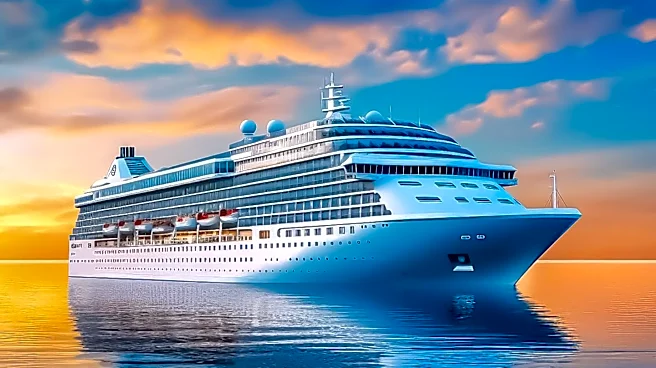
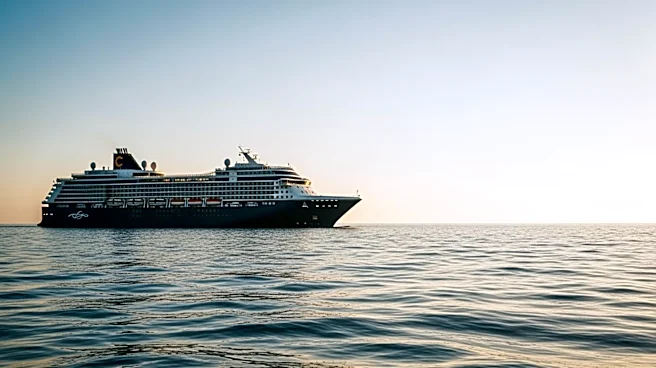
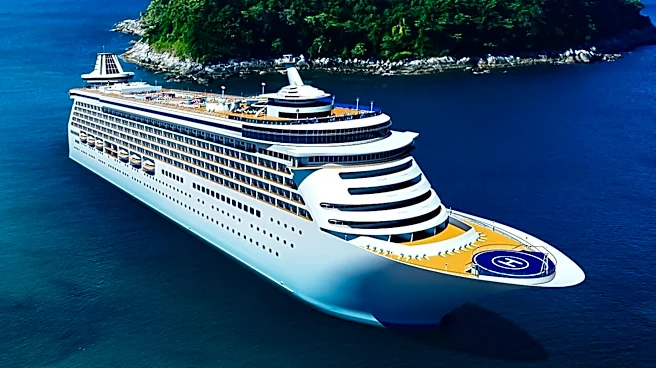
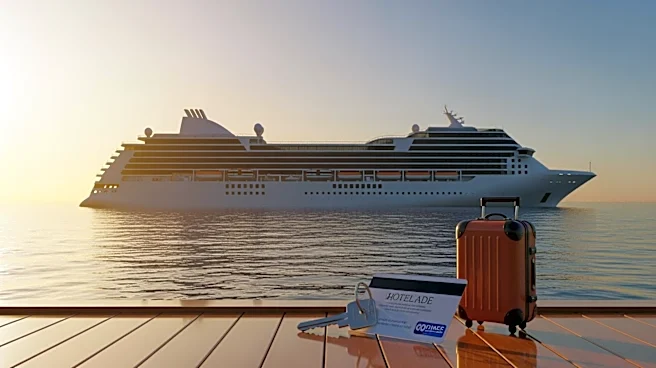
Luxury hotel brands such as Ritz-Carlton, Four Seasons, Orient Express, and Aman are expanding into the cruise industry by launching branded cruise ships. This move is part of a broader trend in the cruise industry towards ultra-luxury and expedition
segments, which are gaining importance as traditional growth rates stabilize. The entry of these hotel brands is expected to drive sector expansion and set new aspirational pricing. The Ritz-Carlton Yacht Collection, for instance, reported that 70% of its first-year bookings were from customers new to cruising. The luxury cruise market is seeing significant growth, with 32 luxury ships currently on order. This includes new classes of ships from Norwegian Cruise Line Holdings and Oceania Cruises, set to be delivered over the next decade.
Why It's Important?
The entry of luxury hotel brands into the cruise market represents a significant shift in the industry, potentially reshaping the ultra-luxury segment. This move could attract a new demographic of travelers who are seeking exclusive and authentic experiences, thereby expanding the market. The strong loyalty programs of these hotel brands could also convert hotel guests into cruise passengers, further boosting growth. The expansion into luxury cruises aligns with a broader trend of consumers seeking unique and high-end travel experiences, which could lead to increased competition and innovation within the industry. This development is crucial for the U.S. cruise market, as it could enhance the country's position as a leader in luxury travel.
What's Next?
As luxury hotel brands continue to enter the cruise market, the industry may see increased competition and innovation in service offerings and itineraries. The focus on ultra-luxury and expedition cruises is likely to continue, with more brands potentially entering the market. The success of these ventures could encourage other luxury brands to explore similar expansions. Additionally, the cruise industry will need to manage potential overcapacity issues, particularly in popular regions like the Caribbean, to maintain profitability. The ongoing development of private destinations and enhancements to existing facilities will be crucial in attracting and retaining customers.
Beyond the Headlines
The integration of luxury hotel brands into the cruise industry could lead to a reevaluation of what constitutes luxury travel, potentially influencing consumer expectations across the travel sector. This shift may also prompt traditional cruise lines to enhance their offerings to remain competitive. The focus on authenticity and exclusive experiences reflects a broader cultural trend towards meaningful travel, which could have long-term implications for the industry. Furthermore, the environmental impact of increased cruise activity may become a point of concern, prompting discussions on sustainable practices within the industry.