






What's Happening?
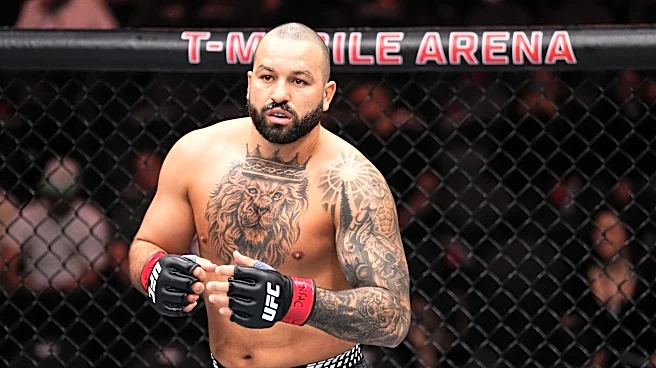
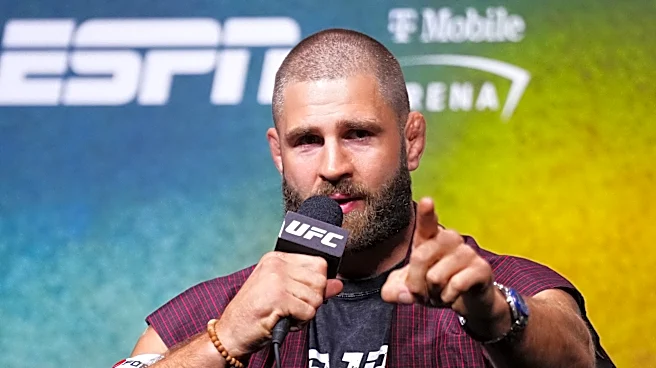
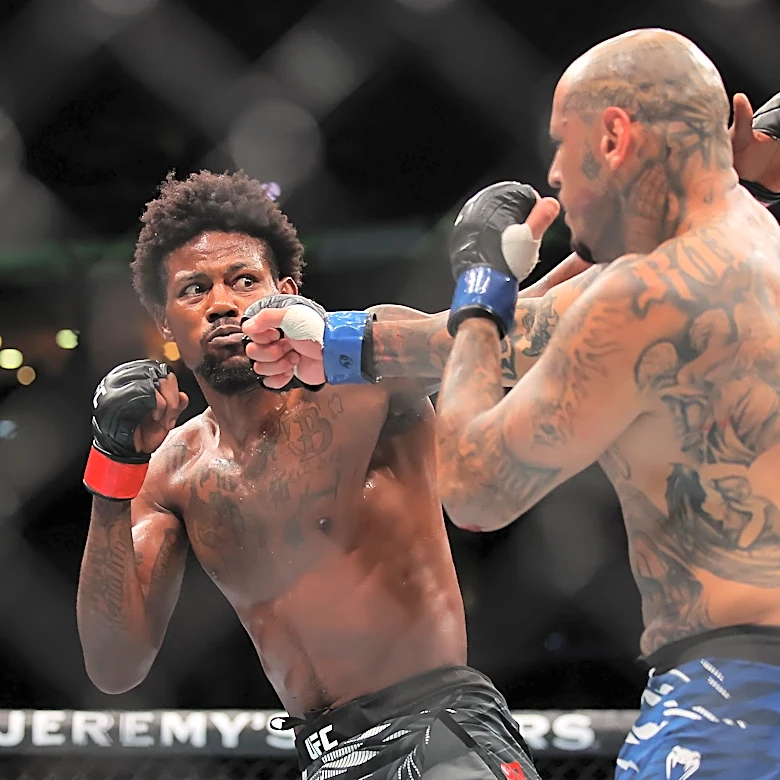
Josh Hokit, an emerging name in the UFC, is set to face veteran Curtis Blaydes at UFC 327. Hokit, known as 'The Incredible Hok', has quickly made a name for himself with two UFC wins via first-round TKO and a $100,000 bonus at UFC 324. His background
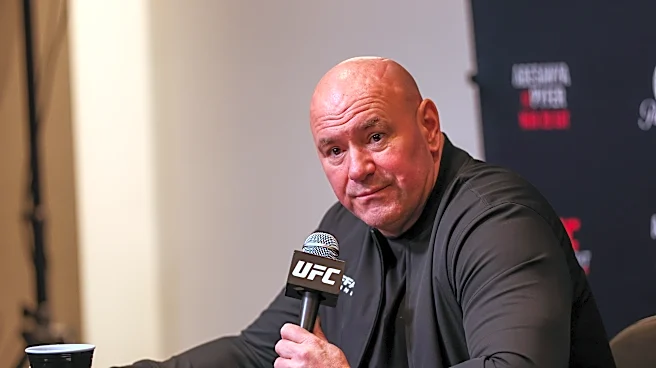
is diverse, having excelled in both wrestling and football during his high school and college years. Born in California, Hokit is American by nationality and has a strong Christian faith, which he openly shares in interviews. Despite his rapid rise, Hokit has faced criticism for controversial remarks made during post-fight interviews, which have drawn attention from both fans and UFC President Dana White.
Why It's Important?
Hokit's upcoming fight against Curtis Blaydes is significant as it pits an undefeated prospect against an established contender, testing Hokit's ability to maintain his momentum in the UFC. His diverse athletic background, combining wrestling and football, contributes to his unique fighting style, making him a formidable opponent. The outcome of this fight could impact Hokit's career trajectory, potentially elevating him to a higher status within the UFC. Additionally, his outspoken nature and controversial comments highlight the importance of public image in sports, as it can influence fan perception and media coverage.
What's Next?
As Hokit prepares for his fight against Blaydes, the focus will be on whether he can extend his winning streak against a seasoned opponent. A victory could propel him further into the spotlight, while a loss might prompt a reassessment of his approach both inside and outside the octagon. The UFC and its fans will be closely watching to see how Hokit's career develops, especially given his potential to become a major draw in the sport. His ability to handle media scrutiny and maintain a positive public image will also be crucial as he navigates his rising fame.
Beyond the Headlines
Hokit's journey in the UFC underscores the broader dynamics of sports where athletic prowess must be balanced with media savviness. His case highlights the challenges athletes face in managing public perception while staying true to their personal beliefs and identities. The intersection of sports, media, and personal expression is increasingly relevant in today's digital age, where athletes' words and actions are scrutinized more than ever. Hokit's story may serve as a case study for other athletes navigating similar paths.