






What's Happening?
Safran, a major player in the aerospace industry, has expressed a positive outlook despite potential disruptions from the ongoing Middle East conflict. The company's CEO, Olivier Andries, reported no immediate signs of a slowdown in commercial aviation,
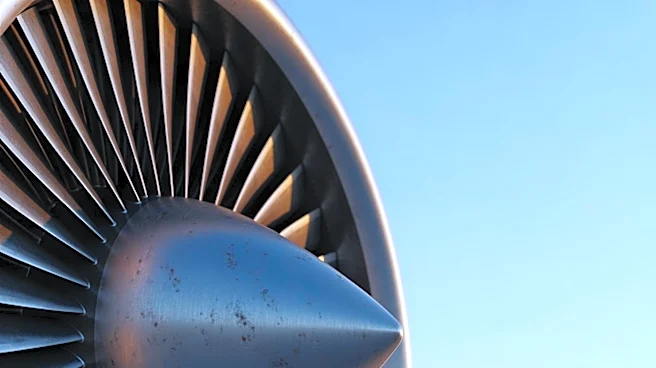
even as the conflict poses risks to air traffic. In the first quarter of 2026, Safran's joint venture with GE Aerospace, CFM International, delivered 520 Leap engines, marking a 63% increase from the previous year. The company anticipates over 2,000 Leap engine deliveries this year, reflecting a 15% year-on-year growth. Despite the geopolitical tensions, Safran's revenue for the first quarter rose by 18% to €8.6 billion, with the propulsion segment seeing a 23% increase.
Why It's Important?
The resilience shown by Safran amidst geopolitical tensions highlights the robustness of the aerospace sector. The company's ability to maintain growth despite potential disruptions underscores the importance of strategic planning and diversified operations. This situation also reflects the broader industry's capacity to adapt to geopolitical challenges, which is crucial for maintaining global supply chains and meeting the demands of airlines. The continued delivery of Leap engines is vital for airlines looking to expand or maintain their fleets, ensuring that air travel remains a viable option for global connectivity.
What's Next?
Safran will continue to monitor the situation in the Middle East closely, as the conflict's duration and impact remain uncertain. The company is prepared to adjust its operations if necessary, ensuring that it can meet its delivery targets and maintain its growth trajectory. Airlines and other stakeholders in the aviation industry will likely keep a close watch on developments, as any prolonged disruption could affect air traffic and fleet management strategies.