
What's Happening?
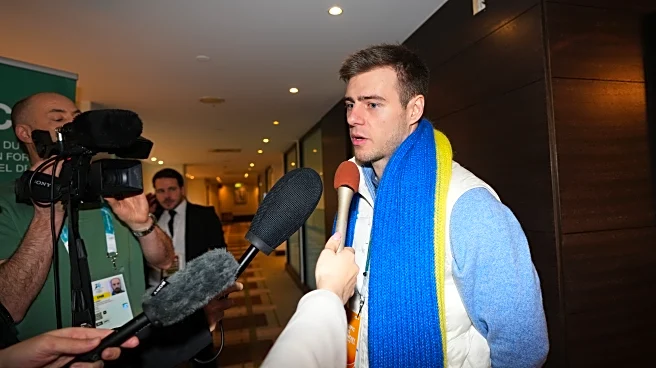
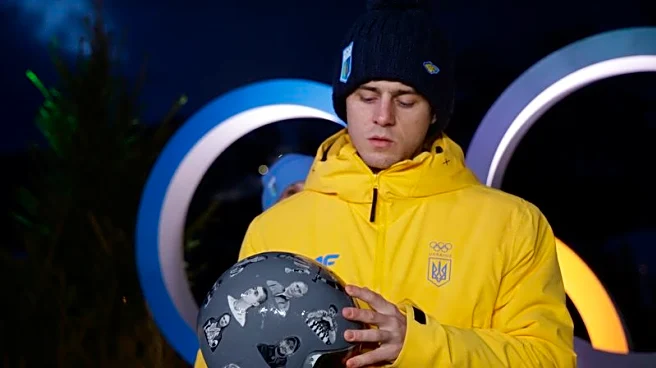
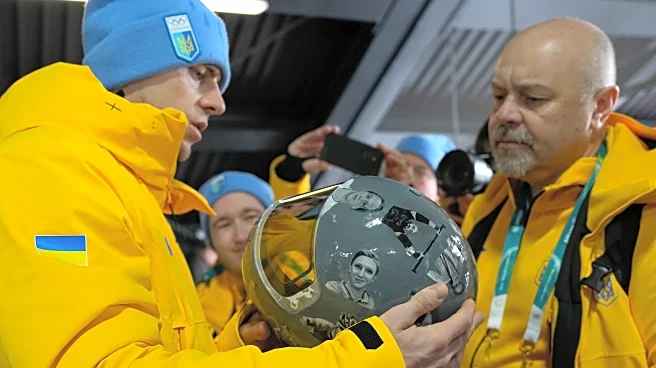
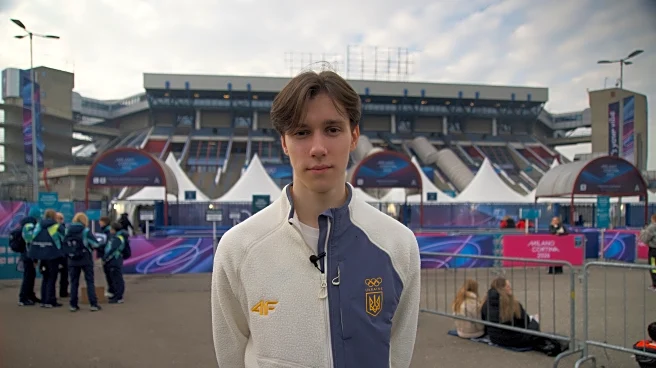
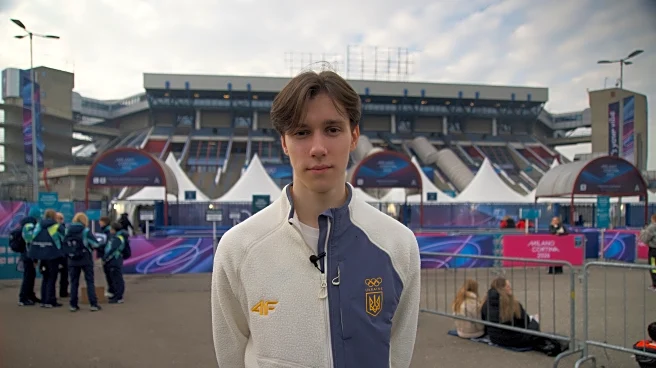
Day 7 of the 2026 Winter Olympics in Milan has been marked by both athletic achievements and controversy. Ilia Malinin, known as the 'Quad God,' is competing for gold in men's figure skating. Meanwhile, Ukrainian skeleton racer Vladyslav Heraskevych has appealed his disqualification from the Games after being barred for wearing a helmet with images of athletes killed in the Ukrainian war. The appeal has drawn attention to the intersection of sports and political expression. In other events, the U.S. men's hockey team secured a victory against Latvia, and Chloe Kim won silver in the women's halfpipe, while Dutch skaters excelled in speed skating events.
Why It's Important?
The events of Day 7 highlight the dual nature of the Olympics as both a sporting and political
arena. The disqualification of Heraskevych underscores the ongoing debate about the role of political expression in sports, raising questions about athletes' rights to free speech. The athletic performances, particularly those of U.S. athletes, contribute to national pride and can influence the country's standing in the medal tally. The Olympics also serve as a platform for athletes to achieve personal milestones and inspire future generations, while the controversies remind us of the broader social and political contexts in which these games occur.
Beyond the Headlines
The disqualification of Heraskevych brings to light the challenges athletes face when their personal beliefs intersect with international sporting regulations. This incident may prompt discussions within the International Olympic Committee about the balance between maintaining political neutrality and respecting athletes' rights to express their identities and beliefs. The outcome of Heraskevych's appeal could set a precedent for future cases involving political expression at the Olympics, potentially influencing how such matters are handled in upcoming games.