



What's Happening?
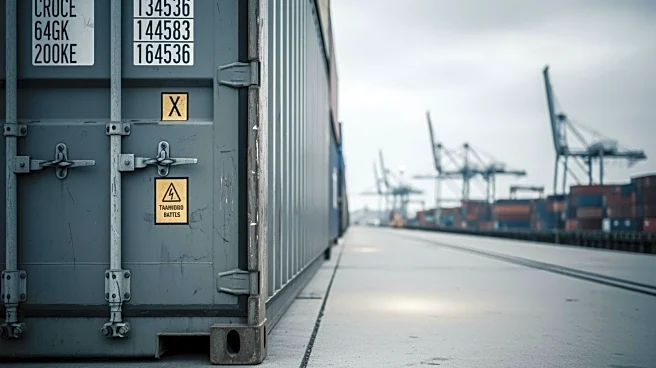
According to S&P Global Market Intelligence, U.S.-bound containerized freight imports continued to decline in January 2026, marking the fifth consecutive month of reduced volumes. The imports totaled 2.42 million TEU, a 5.5% decrease from the previous year. This trend follows a pattern of declining imports since July 2025, when volumes peaked at over 3 million TEU. The decline is attributed to a combination of factors, including destocking processes and weak consumer sector activity, despite a 4.17% increase in durable goods imports, led by a 21.4% rise in furniture. The report highlights the impact of U.S. import tariffs, which have been somewhat mitigated by new trade deals and exemptions for food products. The ongoing volatility in import duties
and the timing of the Lunar New Year are expected to affect future forecasts.
Why It's Important?
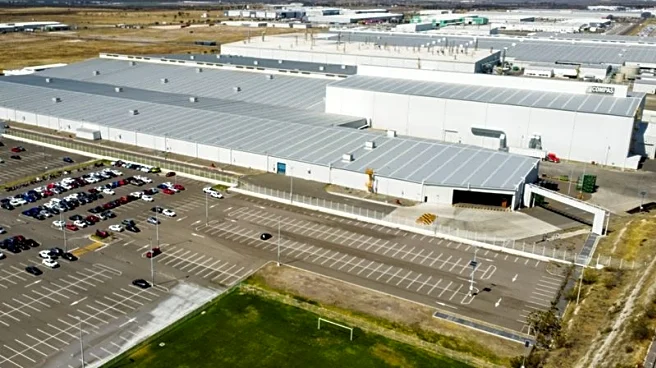
The continued decline in U.S. imports has significant implications for the economy, particularly in the manufacturing and retail sectors. The reduction in import volumes reflects broader economic challenges, including weak consumer demand and the impact of tariffs. This trend could lead to increased pressure on domestic manufacturers to meet demand, potentially driving reshoring efforts. The shift towards domestic production could alter the landscape of U.S. trade, reducing reliance on imported goods and increasing demand for raw materials. This change may benefit certain industries, such as manufacturing and logistics, while posing challenges for sectors reliant on imported finished goods.
What's Next?
Looking ahead, the U.S. import landscape may continue to evolve as businesses adapt to changing trade policies and consumer demand. The potential for reshoring could lead to increased investment in domestic manufacturing capabilities, impacting the demand for shipping services. Additionally, the outcome of the expected Supreme Court ruling on the legality of certain tariffs could influence future trade dynamics. Businesses will need to navigate these uncertainties while balancing inventory levels and supply chain strategies to remain competitive.