






What's Happening?
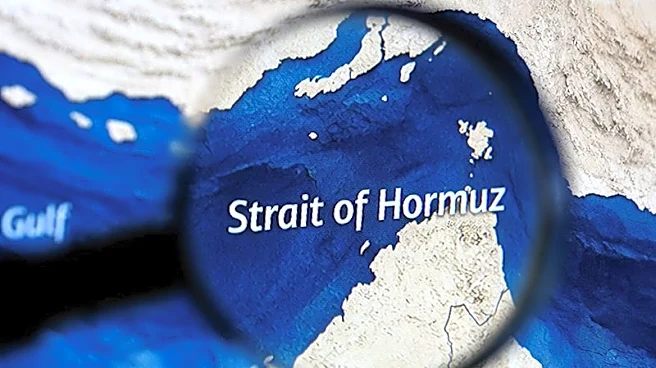
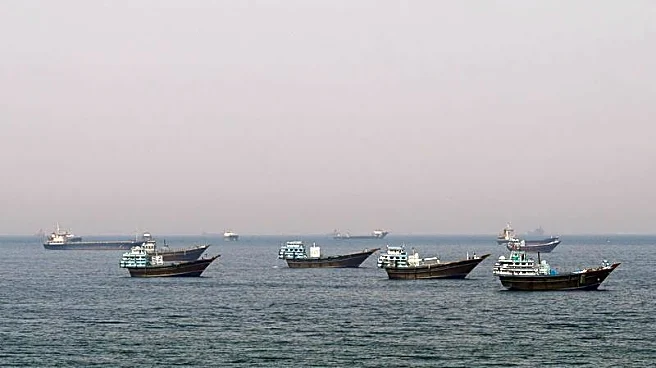
The recent conflict in the Strait of Hormuz has significantly disrupted global supply chains, affecting U.S. retail operations. The strait, a critical maritime passage, has seen shipping routes blocked, leading to delays and increased transportation costs.
According to Stuart Greenfield, Sales Director at Advanced Supply Chain UK, the recovery of retail supply chains will occur in two stages. Initially, it will take 3-5 months for transportation costs and schedules to stabilize. The second stage, involving long-term normalization, may take longer due to high seasonal demand. Retailers are diversifying transportation modes and routes to mitigate disruptions and protect margins.
Why It's Important?
The disruption in the Strait of Hormuz is crucial for U.S. retailers, especially with the holiday season approaching. Increased transportation costs could lead to higher prices for consumers, affecting holiday shopping. Retailers are under pressure to manage supply chain costs while maintaining competitive pricing. The situation highlights the fragility of global supply chains and the need for strategic planning to ensure resilience against geopolitical disruptions. The impact on retail prices could influence consumer spending and economic activity during a critical sales period.
What's Next?
As the Strait of Hormuz reopens, the focus will be on clearing backlogs and restoring shipping routes. Retailers will continue to explore alternative logistics strategies to manage costs and ensure timely deliveries. The situation may prompt discussions on enhancing supply chain resilience and reducing dependency on vulnerable regions. Stakeholders will monitor developments closely, adjusting strategies to mitigate risks associated with future disruptions.