



What's Happening?
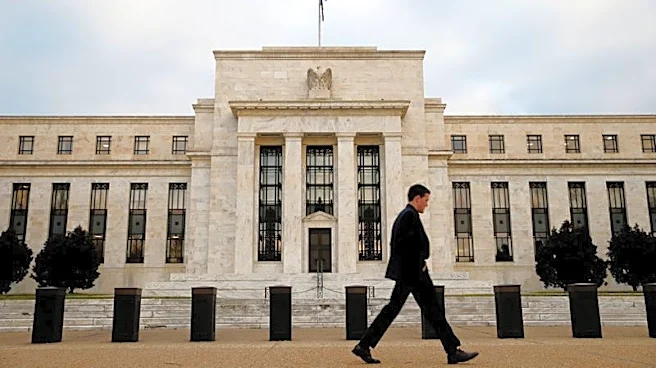
The U.S. dollar reached a near two-month high following a robust U.S. jobs report, which showed an increase of 172,000 nonfarm payrolls in the previous month, surpassing expectations. This development has led traders to increase their bets on a potential
Federal Reserve interest rate hike later in the year. The report comes amid a global energy crisis linked to the ongoing conflict involving Iran, which is contributing to inflationary pressures. As a result, market expectations for a rate hike in December have risen significantly, with the CME FedWatch tool indicating a more than 70% probability. The strength of the dollar has adversely affected other currencies, including the yen, euro, and British pound, which have all seen declines.
Why It's Important?
The potential for a Federal Reserve rate hike has significant implications for the U.S. economy and global financial markets. A rate increase could lead to higher borrowing costs, impacting consumer spending and business investment. It also affects currency valuations, as seen with the strengthening dollar, which can influence international trade dynamics. The anticipation of a rate hike reflects confidence in the U.S. labor market's resilience despite external pressures, such as the energy crisis. However, it also raises concerns about the potential for increased inflation and the Fed's ability to balance economic growth with price stability.
What's Next?
The Federal Open Market Committee (FOMC) is set to meet soon, with markets closely watching for any signals regarding future monetary policy decisions. The outcome of these meetings will be critical in shaping expectations for interest rates and could influence market volatility. Additionally, geopolitical developments, particularly in the Middle East, may further impact economic conditions and the Fed's policy trajectory. Stakeholders, including businesses and investors, will need to navigate these uncertainties as they plan for the future.