


What's Happening?
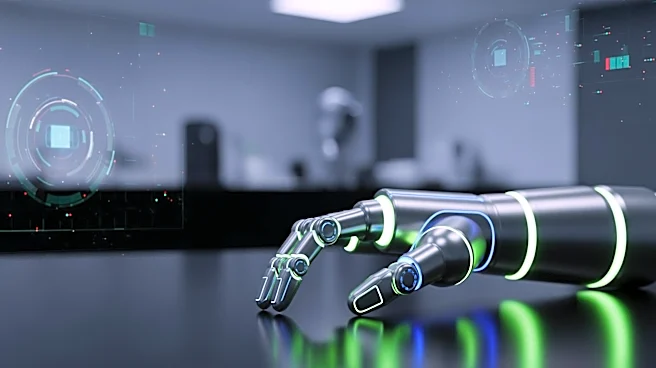
Nvidia has announced a partnership with Chinese startup Unitree to develop a humanoid robotics system aimed at research institutions. The system features Unitree's H2 humanoid robot, which stands nearly six feet tall, integrated with Nvidia's Jetson Thor
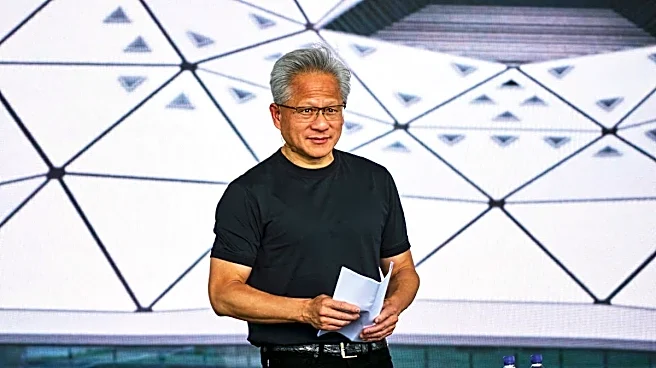
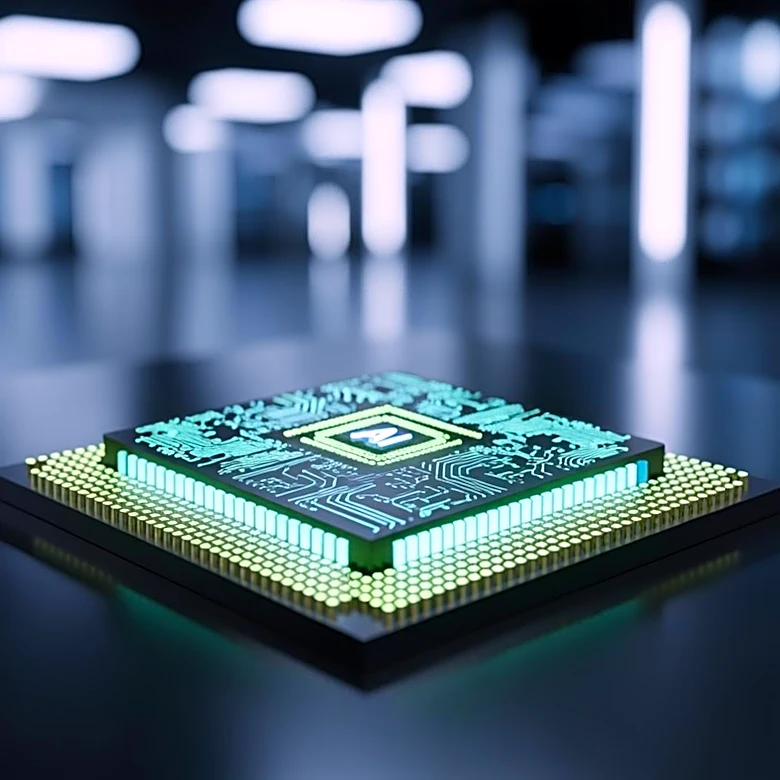
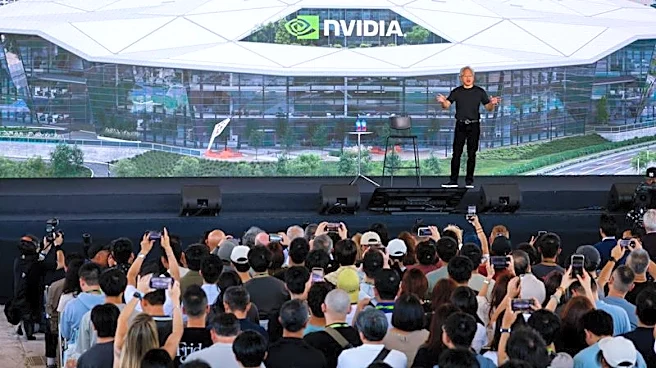
hardware. This includes Nvidia's advanced Blackwell GPU, designed for on-device artificial intelligence capabilities. The robotics system, which also incorporates mechanical hands from Singapore-based Sharpa, is part of Nvidia's broader strategy to expand into the 'physical AI' market. Nvidia CEO Jensen Huang highlighted the potential of this market, predicting it could be worth tens of trillions of dollars. The company plans to begin sales of the system to research institutions such as Stanford and ETH Zurich later this year.
Why It's Important?
This development marks a significant step for Nvidia as it ventures into the robotics sector, leveraging its expertise in AI and GPU technology. The collaboration with Unitree positions Nvidia to capitalize on the growing interest in humanoid robots for research and development purposes. By targeting prestigious institutions like Stanford and ETH Zurich, Nvidia aims to establish its robotics system as a leading platform for academic and industrial research. The move could accelerate advancements in AI-driven robotics, potentially leading to innovations in various fields such as healthcare, manufacturing, and service industries. This expansion into robotics aligns with Nvidia's strategy to diversify its product offerings and tap into new markets beyond its traditional focus on graphics processing units.
What's Next?
Nvidia's entry into the humanoid robotics market is likely to spur competition among tech companies seeking to develop advanced AI-driven robots. As sales commence later this year, the response from research institutions will be crucial in determining the system's success and potential adoption in other sectors. Nvidia's focus on 'physical AI' suggests further developments and enhancements in their robotics offerings, potentially leading to collaborations with other tech firms and industries. The company's predictions of rapid growth in the robotics segment over the next five years indicate a strategic commitment to this emerging market, which could influence future product development and investment decisions.