
What's Happening?
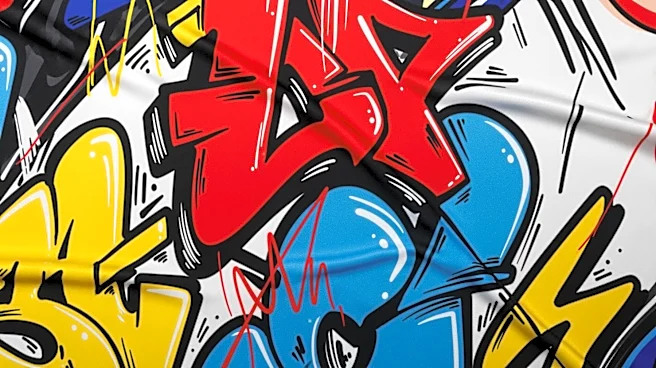
Louis Vuitton's Resort 2027 collection, designed by Nicolas Ghesquière, is inspired by a unique piece of art history—a suitcase graffitied by American Pop artist Keith Haring in 1984. This suitcase, a logoless,
scruffed-up brown leather valise, was customized by Haring, who was known for his graffiti-inspired art and his belief in making art accessible to the public. The collection reflects a blend of uptown and downtown New York City vibes from the 1980s, a period Ghesquière frequently revisits in his designs. The collection also explores themes from the Gilded Age, juxtaposing the opulence of that era with Haring's street-centric art. This approach highlights the scarcity principle, where exclusivity increases desire, a concept that has long fascinated the fashion industry.
Why It's Important?
The integration of Keith Haring's art into Louis Vuitton's collection underscores the ongoing dialogue between high fashion and street art. This collaboration not only pays homage to Haring's legacy but also reflects a broader trend in the fashion industry where luxury brands seek to connect with contemporary art and culture. By incorporating elements of street art, Louis Vuitton appeals to a younger, more diverse audience, potentially expanding its market reach. This move also reinforces the brand's commitment to innovation and cultural relevance, which are crucial for maintaining its status in the competitive luxury market.
What's Next?
As Louis Vuitton continues to explore collaborations with artists, the fashion industry may see more collections that blend high fashion with street art. This trend could influence other luxury brands to seek similar partnerships, further blurring the lines between different art forms. Additionally, the success of this collection could lead to increased interest in vintage and exclusive art pieces, driving up their value and demand. The fashion world will be watching closely to see how this collection is received by consumers and critics alike.
Beyond the Headlines
The use of Keith Haring's art in a luxury fashion collection raises questions about the commercialization of street art, which was originally intended to be accessible to all. This development highlights the tension between art as a public good and its commodification in the luxury market. It also prompts a discussion about the role of artists in shaping cultural narratives and how their work is interpreted and repurposed by different industries. As fashion continues to draw inspiration from diverse sources, the ethical implications of these collaborations will remain a topic of debate.