
What's Happening?
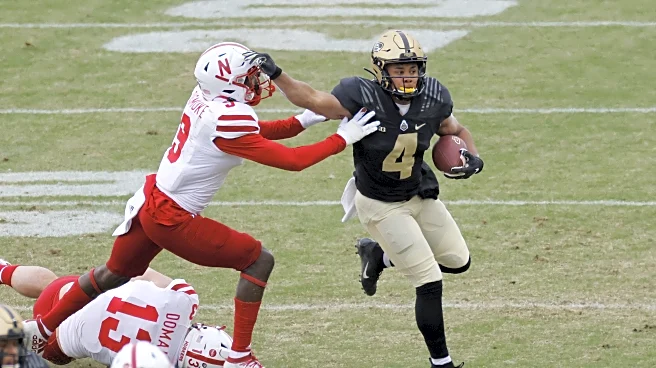
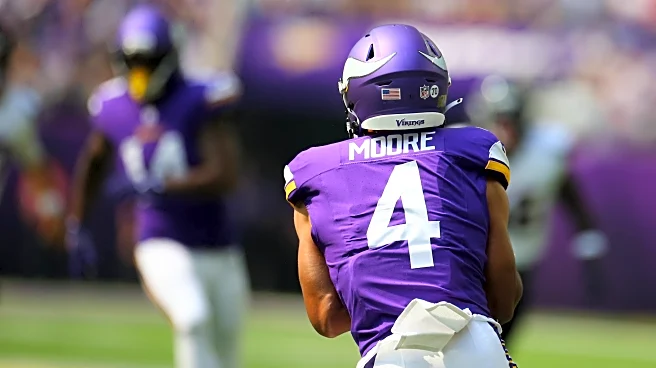
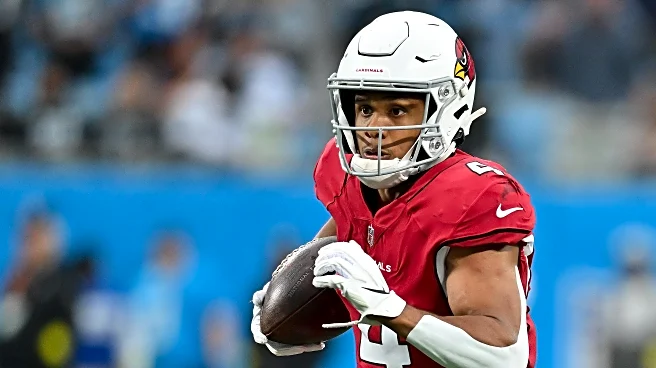
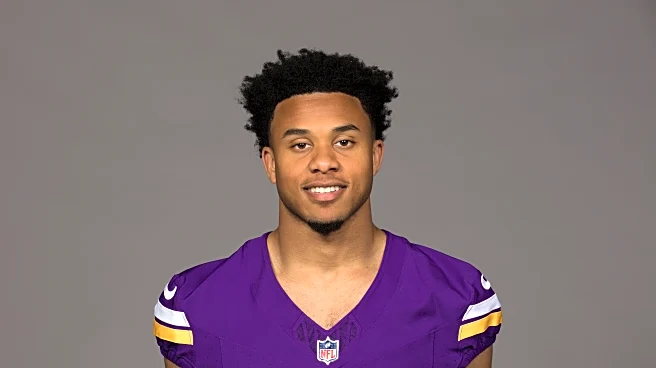
Rondale Moore, a 25-year-old NFL receiver known for his time with the Purdue Boilermakers and the Arizona Cardinals, was found dead in his hometown of New Albany, Indiana. Authorities reported that Moore died from a suspected self-inflicted gunshot wound. His death is currently under investigation, with an autopsy scheduled. Moore had faced significant challenges in his professional career, including multiple knee injuries that ended his seasons prematurely. After being traded to the Atlanta Falcons and later signing with the Minnesota Vikings, Moore's career was marred by injuries, preventing him from playing in recent seasons. The Vikings and the Cardinals have expressed their condolences, highlighting Moore's dedication and resilience despite
his struggles.
Why It's Important?
The death of Rondale Moore highlights the intense pressures and challenges faced by professional athletes, particularly those dealing with repeated injuries. Moore's passing underscores the mental health struggles that can accompany physical setbacks in sports. His story is a reminder of the importance of mental health support for athletes, who often face immense pressure to perform despite physical and emotional challenges. The NFL and sports organizations may need to reassess their support systems for players dealing with similar issues, ensuring they have access to necessary mental health resources.
What's Next?
As the investigation into Moore's death continues, there may be increased scrutiny on how sports organizations support their athletes' mental health. The NFL and other leagues might face calls to enhance their mental health programs and provide more comprehensive support for players dealing with injuries and personal challenges. Additionally, Moore's passing could prompt discussions within the sports community about the stigma surrounding mental health and the need for open conversations about the pressures athletes face.
Beyond the Headlines
Moore's death could lead to broader discussions about the culture of resilience and toughness in sports, which often discourages athletes from seeking help for mental health issues. This event may serve as a catalyst for change, encouraging sports organizations to prioritize mental health as much as physical health. The tragedy also highlights the need for a cultural shift in how society views mental health, particularly in high-pressure environments like professional sports.